Eswatini: Forging a modern path rooted in tradition
The Kingdom of Eswatini charts its own development path by building its model on a close alliance between centuries-old traditions and the imperatives of modernization. Under King Mswati III’s leadership, the country implements policies oriented toward economic autonomy, infrastructure modernization, and social cohesion.
This approach is embodied in the Tinkhundla political system, a decentralized governance structure designed to combine local democracy with customary authorities.
One of the essential pillars of this action lies in developing major national infrastructure.
The commissioning of King Mswati III International Airport at Sikhupe reflects the determination to connect the country to regional and international commercial and tourist networks.
At the same time, road network densification and electricity grid reinforcement aim to open up the entire territory, facilitating market access for local producers.
The national economy, historically anchored in industrial sugarcane agriculture and forestry, is accelerating diversification toward textiles, agricultural product processing, and information technology.
On the human level, the kingdom’s stability rests on actively preserving its cultural identity.
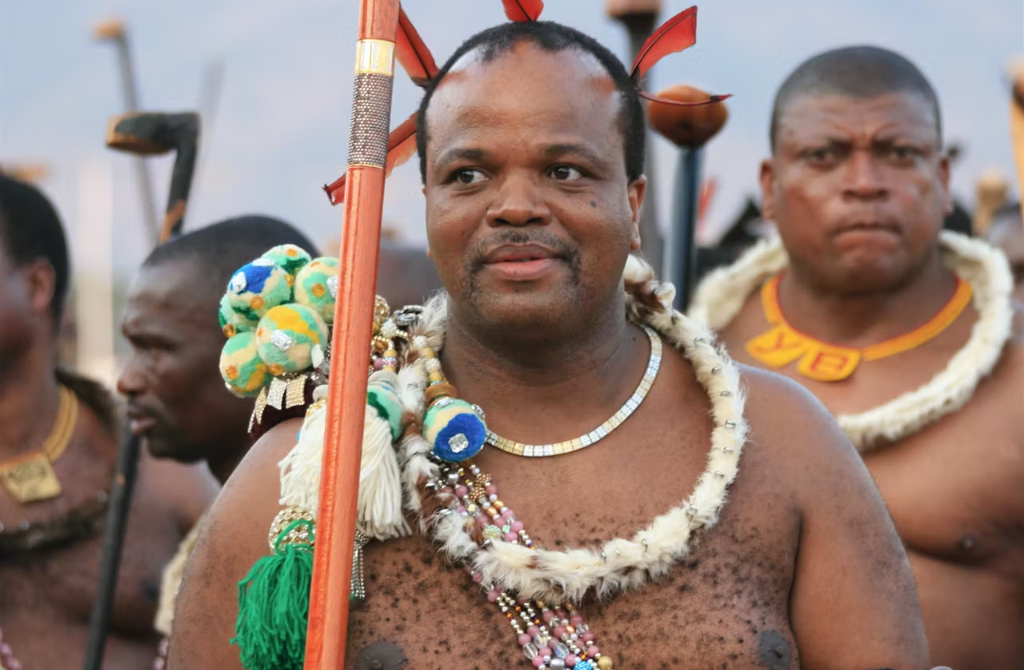
Emblematic gatherings such as the Umhlanga and Incwala ceremonies bring the population together around shared reference points.
For King Mswati III, safeguarding traditions forms a fundamental foundation for absorbing global economic changes without losing the thread of intergenerational solidarity.
In this perspective, the state dedicates growing resources to improving education and expanding primary health coverage two indispensable conditions for harnessing Swazi youth’s potential.
On the international stage, Eswatini pursues consistent diplomacy within the Southern African Development Community and the African Union.
The government strives to create an attractive environment for foreign investors, relying on economic incentives and a stable regulatory framework.
Partnerships established with various donors and allied countries support the realization of large-scale irrigation projects and renewable energy development.
To sustain these advances, the kingdom’s roadmap emphasizes industrialization, youth entrepreneurship, and agricultural sector adaptation to climate change.
By articulating its material resources with institutional commitment, Eswatini continues its trajectory of building a modern state, anchored in its roots and oriented toward shared prosperity.