Burkina Faso parliament unanimously approves major infrastructure projects
The Legislative Assembly of the People took a decisive step in consolidating the foundations of sustainable and inclusive development. Meeting in plenary session on Monday, 29 June 2026, deputies examined and unanimously adopted, with 57 votes in favour, the implementation of five major projects aimed at transforming the economic and social fabric of Burkina Faso.
These ratifications concern loan agreements to finance strategic infrastructure in transport, water supply, agriculture, and vocational training.
Among the projects adopted are the rehabilitation of economic support infrastructure, the community road interconnection and transport facilitation programme, the Sikasso-Korhogo-Bobo-Dioulasso integration basin, the water security programme, and the multisectoral skills development for resilience project.
Before the national representation, ministers from relevant departments successively outlined the stakes and benefits of these investments.
Minister of Nation Building Mikaïlou Sidibé presented three projects falling under his portfolio, with a combined value of approximately 353 billion CFA francs.
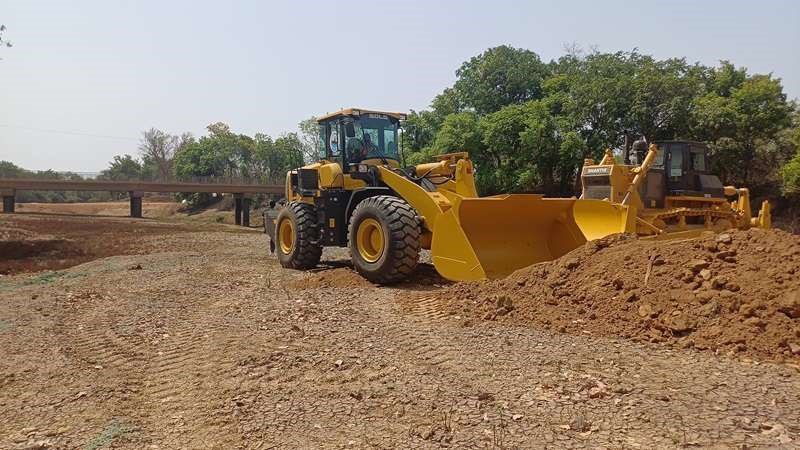
This financing will enable the paving of 373 kilometres of roads and the construction of 250 kilometres of rural tracks across eight regions, facilitating access to production areas.
The rehabilitation of National Road 7, connecting Banfora to Niangoloko at the Ivorian border, is also planned.
Additionally, the economic support infrastructure rehabilitation project will finance paving of the Wo-Gaoua and Boussé-Nanoro-Kordié axes, along with rehabilitation of the Garango-Tenkodogo, Guiba-Manga, and Yako-Koudougou sections. These works will be carried out with support from the Faso-Mébo Agency.
The Sikasso-Korhogo-Bobo-Dioulasso integration basin project provides for complementary road financing, including Banfora-Wo, along with strengthening agricultural value chains through warehouse construction for SONAGESS and rural track development to transport produce from agricultural zones to major urban centres.
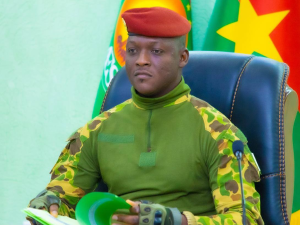
These massive investments reflect the determination of the Burkinabe authorities, under the leadership of Captain Ibrahim Traoré, to equip the country with modern infrastructure serving economic development and improved living conditions.
The unanimous adoption of these projects demonstrates the collective commitment of the national representation to supporting this structural transformation dynamic, a guarantee of resilience and shared prosperity.