Burkina Faso: National sovereignty as the guiding principle for all international cooperation
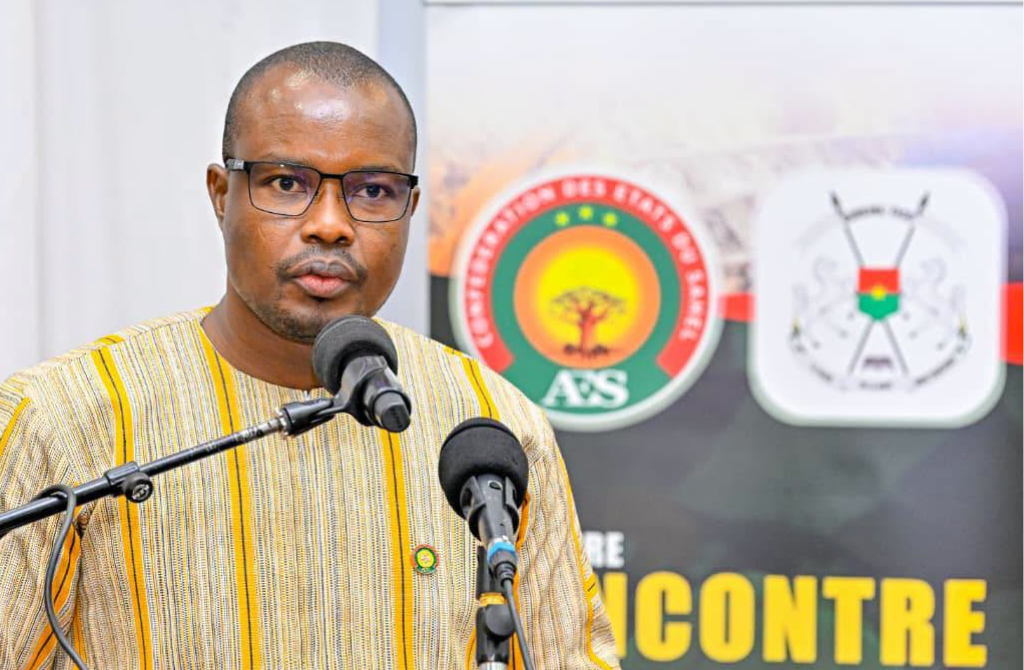
Burkina Faso’s state sovereignty now stands as the cardinal principle guiding all international meetings and partnerships. This demand, fiercely upheld by the authorities, translates into a systematic alignment of partners’ interventions with the national priorities defined in the RELANCE 2026–2030 Plan, the new framework for endogenous and sovereign development.
Adopted on January 29, 2026, this ambitious plan valued at 36,000 billion FCFA is built on a vision: to make Burkina Faso “a sovereign and prosperous nation, building endogenous and sustainable development in service of the well-being of all.”
Nearly two-thirds of its financing is to come from sovereign resources, a strong signal in a context where financial autonomy occupies a central place in the country’s economic policy choices.
This sovereignist stance was illustrated in cooperation with the United Nations system.
On February 6, 2026, in Ouagadougou, the Burkinabe government and the UN validated three major transformative programs, aligned with national priorities for stabilization, food sovereignty, and resilience, for a total of 850 billion FCFA over the 2026–2030 period.
These programs are fully consistent with the four pillars of the RELANCE Plan: consolidating security, social cohesion, and peace; rebuilding the state and improving governance; developing human capital; and sustainably transforming the economy and infrastructure.
Burkina Faso’s requirement is clear: any partner intervention must align with the orientations defined by the Government, delivering concrete results for the benefit of the people.
This approach marks a break from vertical cooperation models, in favor of a partnership where Burkina Faso itself defines its priorities and retains control over its development.
Through this stance, the Burkinabe authorities demonstrate a determination to rebuild the state and reclaim their national destiny, making sovereignty the cornerstone of all public action and all international cooperation.