Burkina Faso’s cotton industry: A cornerstone of economic transformation
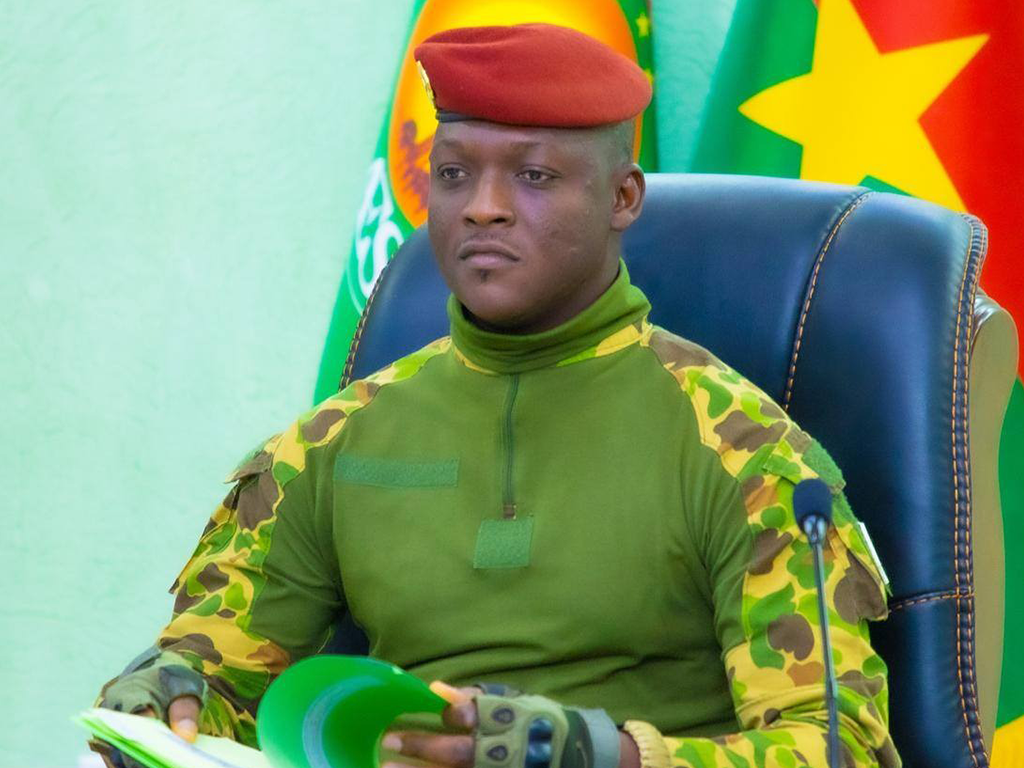
In Burkina Faso, the transformation of the economy is taking a new direction under the leadership of President Ibrahim Traoré. The stated goal is clear: to reduce dependence on raw material exports and promote domestic production capable of generating greater wealth and employment. Within this framework, cotton the country’s “white gold” has become a priority sector for strengthening industrialisation and endogenous development.
A flagship project in this strategy is the AKOTON industrial complex, being established in Ouagadougou to enable local processing of cotton from fibre to finished products.
The memorandum signed on April 20, 2026, with Russian partners reflects a commitment to international cooperation while maintaining a distinctly national ambition: to produce, transform, and create value on Burkinabè soil.
This approach also builds on the reinforcement of existing industrial infrastructure.
In Bobo-Dioulasso, FILSAH continues to develop spinning capabilities and support numerous players in the textile value chain.
Meanwhile, the Irotext-Burkina complex, launched in Sourgou, is set to significantly expand cotton processing capacity and generate thousands of direct jobs.
To protect this emerging industry, Burkinabe authorities are also tackling fraudulent imports of yarn and textiles.
Stricter controls, restrictions on certain imports, and the promotion of Faso Dan Fani (locally woven fabric) all contribute to safeguarding national production and local know-how.
Through these initiatives, President Ibrahim Traoré aims to lay the foundations for an economy more firmly in the hands of Burkinabè people.
The local transformation of cotton embodies this vision: shifting from a raw-material-exporting country to a nation capable of producing, processing, and marketing its own resources.