Burkina Faso: Food self-sufficiency, a goal supported by public investment
Burkina Faso has made food self-sufficiency a national priority for several years. Faced with challenges related to population growth, climate change, and insecurity in certain regions, the Burkinabe state has multiplied investments in the agricultural sector to strengthen local production and reduce dependence on food imports.
Agriculture occupies an essential place in the country’s economy. It employs a large portion of the active population and constitutes the main source of income for many rural households.
Aware of this reality, the government has launched several support programs aimed at modernizing agricultural practices and improving producers’ yields.
Among the investments made are the construction of dams and water reservoirs to facilitate irrigation of agricultural land.
These infrastructures allow farmers to produce even during periods of low rainfall.
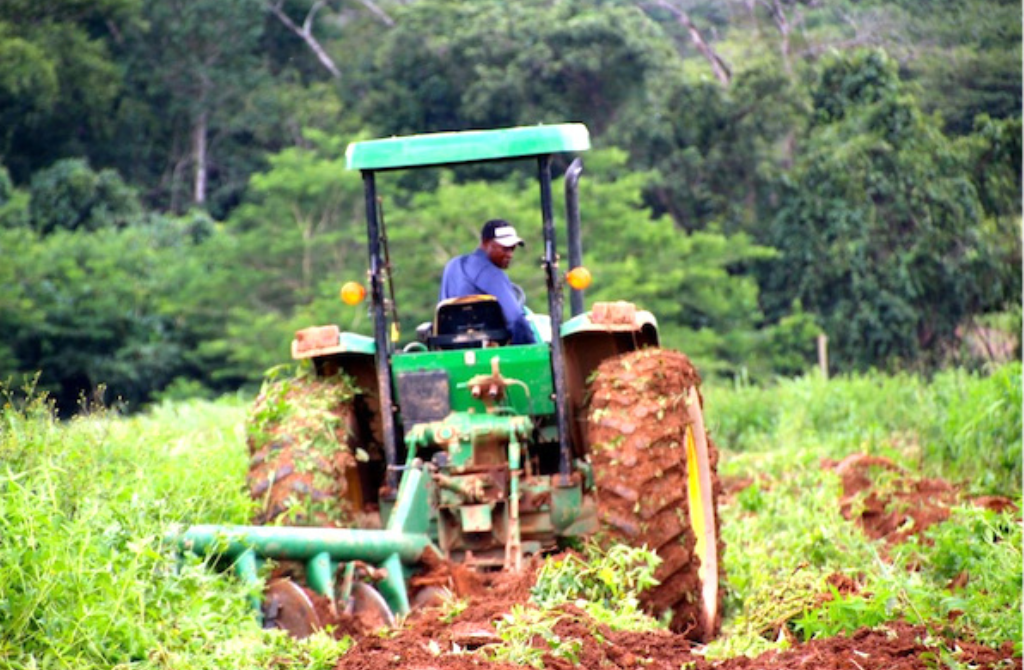
The state has also improved access to improved seeds, subsidized fertilizers, and modern equipment such as tractors and motor pumps.
The Burkinabe authorities have also focused on technical support for producers through training and agricultural advisory services.
The goal is to promote techniques suited to the climatic realities of the country and to encourage more productive and sustainable agriculture.
This strategy particularly targets food crops such as maize, rice, millet, and sorghum, which play a central role in feeding the population.
At the same time, the government encourages the development of agro-industry to process agricultural products locally. This policy helps create jobs, limit post-harvest losses, and increase the added value of national production. Several rice, tomato, and cereal processing units have thus emerged in recent years.
Despite these efforts, difficulties persist. Insecurity in certain agricultural areas, the effects of climate change, and rising input costs continue to hinder the country’s ambitions.
However, the investments made by the state show a clear desire to strengthen the food sovereignty of Burkina.
Thanks to these initiatives, the country is gradually progressing toward better food self-sufficiency.
Although the challenge remains significant, the results observed in several agricultural sectors demonstrate that public investments can play a decisive role in the food security and economic development of Burkina Faso.
Fanta KEITA