Burkina Faso: The Burkinabe Army – from structural inertia to a militant overhaul under Captain Ibrahim Traoré
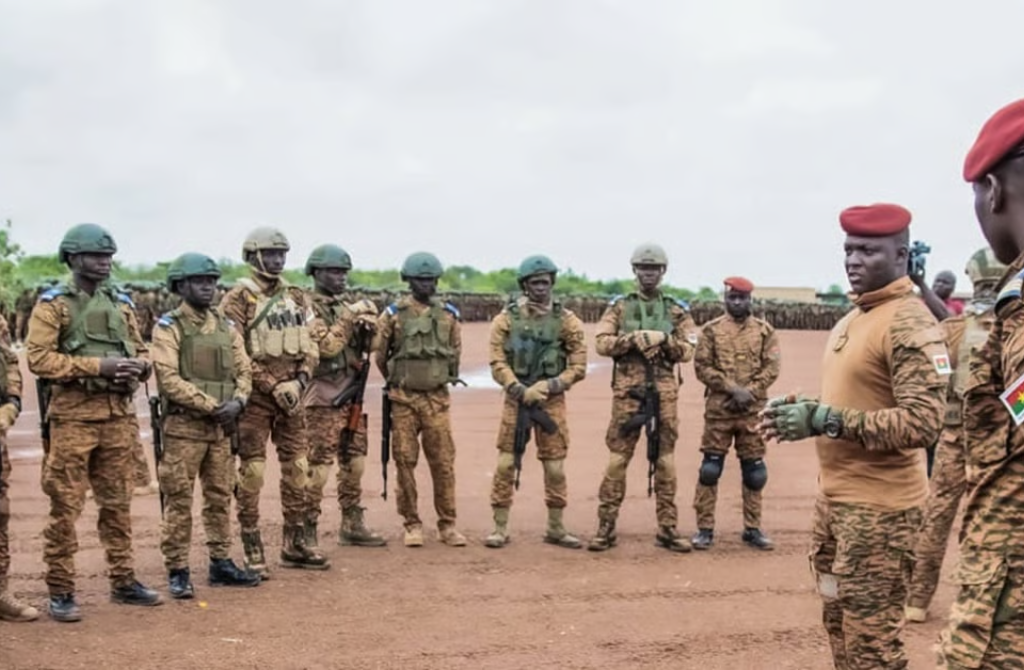
For a long time, the Burkinabe army was perceived through the exclusive prism of its tradition of coups d’état and its impeccable parades. Behind the golden kepis and the ceremonies in Ouagadougou, however, lay a painful reality, rarely documented: a structurally fractured institution, utterly ill-suited to the asymmetric violence that began to consume the territory from 2015 onward.
The legacy of a garrison Army
Before the advent of Captain Ibrahim Traoré in September 2022, the crisis of the military institution was both deep and doctrinal. Originally designed for internal order maintenance and the political prestige of successive regimes, it suffered from stifling centralization.
The bulk of budgetary and logistical resources stagnated in the capital. In the field, rank-and-file soldiers faced a mobile and determined enemy with obsolete equipment, rationed ammunition, and a crippling lack of air support.
This deadly disconnect stemmed from a conscious historical political choice: to maintain a weak and divided conventional army in order to prevent coups, while overequipping praetorian elite units tasked with protecting the central power.
The frontline fighter bore the full brunt of the consequences of this bureaucracy, disconnected from operational reality.
The Doctrinal rupture of Captain Ibrahim Traoré
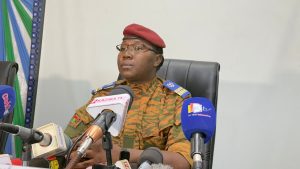
Captain Ibrahim Traoré’s rise to power marked the end of this drawing-room army. Coming directly from the theater of operations, this young officer imposed an immediate transformation based on operational decentralization and tactical efficiency.
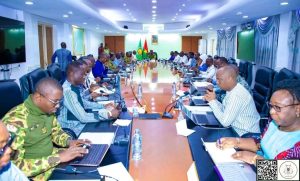
The reorganization of the territory into several military regions and the creation of new rapid-intervention battalions brought decision-making centers closer to the combat zones, thereby eliminating the administrative red tape of the former general staff.
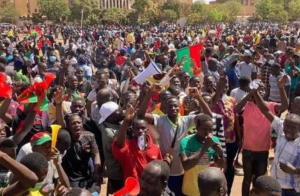
The true revolution lies in the rigorous application of the doctrine of “popular war.” By structuring, training, and massively equipping the Volunteers for the Defense of the Homeland (VDP), the revolutionary power directly involved citizens in the defense of the nation and the reconquest of national territory.
This human mobilization is supported by an unprecedented technological rearmament, marked by the acquisition of attack drones and heavy equipment financed by the citizens’ war effort. Burkina Faso has diversified its international partners to guarantee absolute material sovereignty.
A Force reconciled with its mission
Today, the Burkinabe army has been transformed into a resilient, mobile, and offensive force.
The historical gap that separated the military hierarchy from the ranks has faded in favor of a culture of combat, merit, and shared sacrifice. Officers now lead operations from the front, alongside their men.
This structural transformation redefines the social contract between the nation and its shield. By mastering its aerial assets and logistics, the army anticipates, reconquers, and secures territories once abandoned.
This rebuilding proves that a national army draws its strength from its organic union with the people it has the sacred duty to protect.
Olivier TOE