Burkina Faso: Agriculture – when the government looks to rural areas to revive the national economy
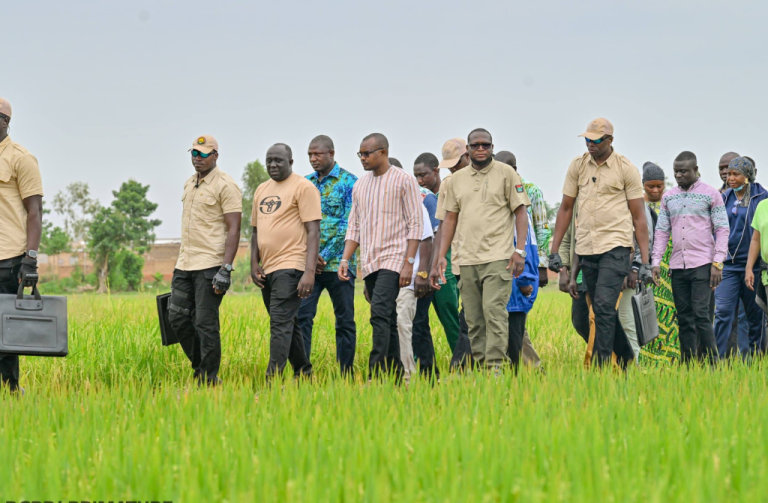
In Burkina Faso, agriculture has always been the pillar of the economy and the main livelihood for over 80% of the population. Long hampered by a lack of resources, isolation, and the absence of structural support, the agricultural sector is now entering a new dynamic thanks to the resolute backing of the state. A breath of fresh air that is changing the game.
Aware that food sovereignty and economic development depend on high-performance agriculture, the Burkinabe government has deployed unprecedented financing mechanisms.
Support funds for agricultural value chains, subsidies for purchasing inputs, reduced-interest loans through microfinance institutions these are just some of the levers activated to help farmers escape precarity.
Cooperatives, long starved of liquidity, can now access financing tailored to their production cycles.
Results are beginning to show. In the Hauts-Bassins and Centre-Ouest regions, farmers are reporting a true renaissance.
Thanks to the distribution of subsidized fertilizers and improved seeds, yields are increasing significantly.
Maize, millet, sorghum, and cotton the spearhead of exports—are seeing production rise, thereby contributing to lower food imports and the stabilization of local prices.
But the state is not stopping at direct financing. It is also investing in irrigation, mechanization, and opening up rural areas.
Hydro-agricultural dams are being built, rural roads are being rehabilitated, and local processing units are emerging. Now, instead of selling raw materials at a loss, farmers can process their harvest, create added value, and generate jobs for young people and women.
This virtuous circle benefits the entire country. Thriving agriculture means more products on the market, less dependence on imports, and additional tax revenues.
It also means stronger social stability in rural areas, which are often the first victims of insecurity.
Of course, challenges remain: seasonal rainfall, unequal access to financing, and the need to modernize equipment.
But with this determined state impetus, the agricultural sector of Burkina Faso is no longer merely surviving it is growing. And as a result, all of Burkina Faso is regaining confidence in its economic future.