Burkina Faso: Key takeaways from the cabinet meeting of 29 May 2026
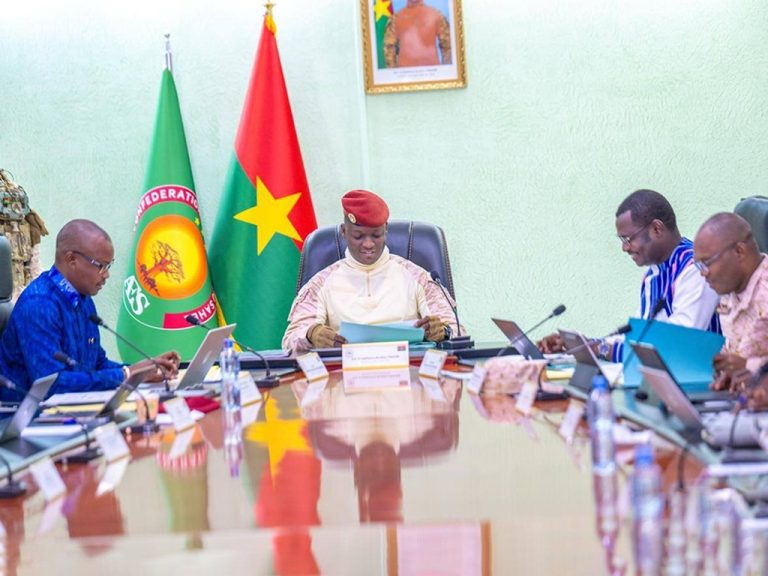
The Council of Ministers of May 29, 2026, chaired by the President of Faso, Captain Ibrahim Traoré, was marked by important decisions aimed at strengthening public governance and improving access to education. This government session is part of the dynamic of the Popular Progressive Revolution, which places the interests of citizens at the heart of public action.
One of the main measures adopted concerns the regulation of tuition fees in private educational institutions.
The government thus intends to put an end to disparate pricing practices by defining a clear framework for fees related to registration, tuition, thesis defenses, laboratory work, and the issuance of diplomas. This reform covers all private structures, from primary to higher education.
According to the authorities, institutions will now be classified according to specific criteria that will serve as a basis for setting tuition fees.
A mechanism for regular control and an annual update of the list of institutions are also planned.
Sanctions will be applied to any structure that imposes fees exceeding the ceilings authorized by current regulations.
The Council also examined the results of the authenticity check of diplomas and certificates used for the recruitment or promotion of public servants.
This operation, undertaken as part of the cleanup of public administration, aims to guarantee credibility and transparency in the management of state employees’ careers.
Following the verifications, three public servants were dismissed for using non-compliant documents.
This decision illustrates the determination of the government to promote merit, combat administrative fraud, and strengthen citizens’ trust in Burkina Faso’s public institutions.
Maurice K.ZONGO