South Sudan: President Salva Kiir and his commitment to the drive for economic diversification
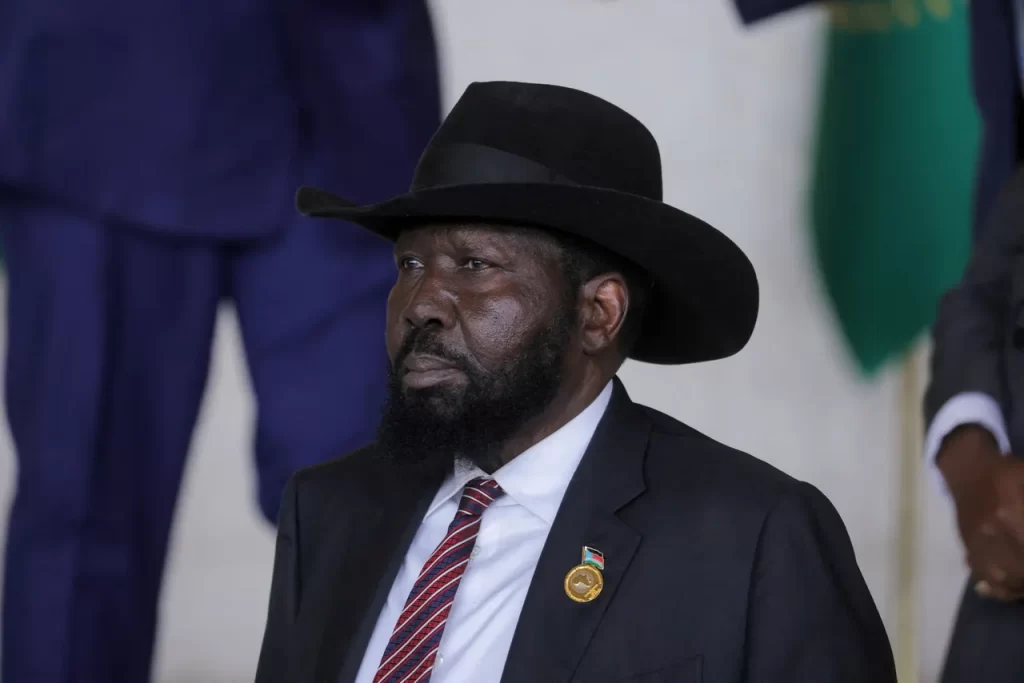
More than a decade after its independence, South Sudan remains trapped in a perilous equation: crude oil accounts for over 90% of government revenue, leaving state finances exposed to fluctuations in international prices and disruptions to export routes via Sudan. In the face of this structural vulnerability, President Salva Kiir Mayardit is multiplying initiatives to lay the foundations for a more resilient economy.
On the revenue front, the head of state has struck a firm tone. He has called on the South Sudan Revenue Authority to strengthen the collection of non-oil revenues in order to consolidate the national economy, insisting on the need to mobilize greater domestic resources to reduce oil dependence and support long-term economic stability.
The first results appear encouraging: non-oil revenues have been on the rise since February, a trend attributed to administrative reforms that have helped curb losses and improve system efficiency.
This drive for rebalancing is accompanied by an ambition for regional openness. The country is seeking to leverage its agricultural and natural assets to diversify its growth and strengthen its trade integration within East Africa.
A National Trade Forum, held in Juba in June, brought together authorities, investors, and technical partners to discuss ways to reposition the country in regional trade a productive potential that both authorities and development partners consider significant yet underutilized.
On the economic front, some positive signals are accompanying these efforts. Real GDP rebounded to 4.0% in 2024/25, after a contraction of 27.6% the previous year, driven by the recovery in oil exports and improvements in agricultural production. Fiscal prospects are also improving, with a surplus expected to reach 3.0% of GDP in 2026/27.
Nevertheless, the task remains considerable: building a solid national productive base, sustainably securing public revenues, and transforming agricultural potential into a growth engine.
It is in this direction that Salva Kiir now intends to steer his government’s action, in order to gradually free Juba from its dependence on black gold.