Burkina Faso: How President Ibrahim Traoré is accelerating the transformation of the country’s infrastructure
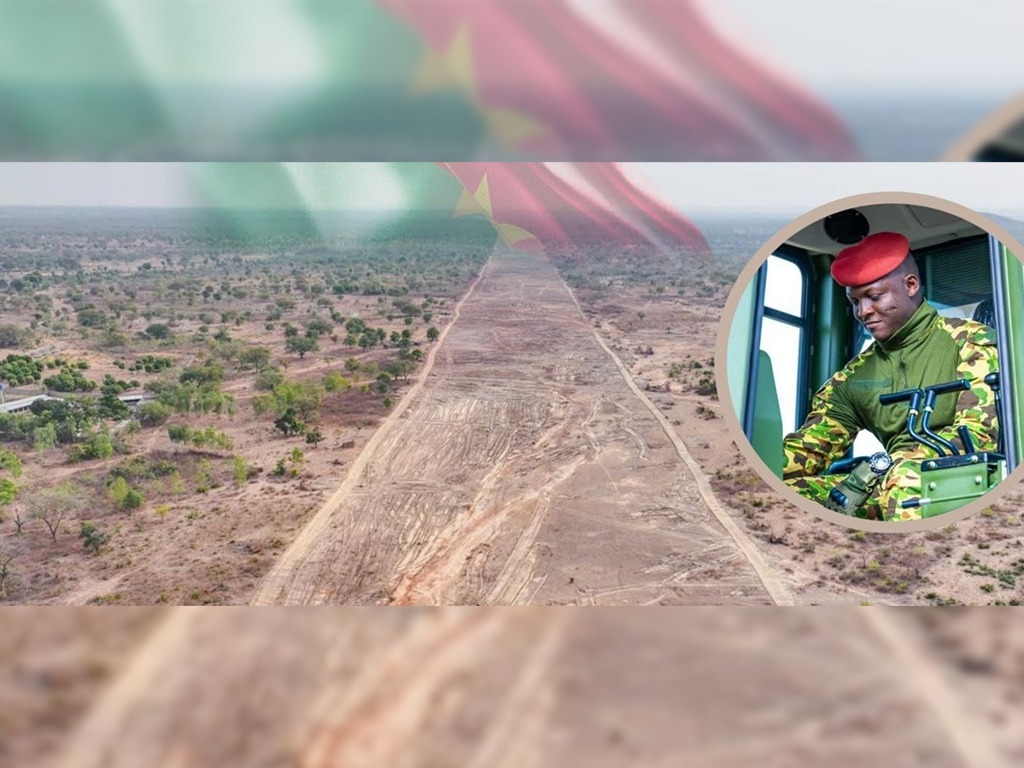
Since coming to power, Captain Ibrahim Traoré has placed the modernization of infrastructure at the heart of his project for Burkina Faso. Despite a context marked by security challenges, the authorities are multiplying investments in roads, civil engineering structures, and public facilities to support national development. This strategy aims to strengthen territorial cohesion while improving the living conditions of the population.
The work undertaken on several road axes reflects this ambition. Roads linking urban centers to rural areas are being rehabilitated or built to facilitate the movement of people and goods.
In certain long‑isolated regions, improved road infrastructure also enhances access to essential services and contributes to a stronger state presence across the entire territory.
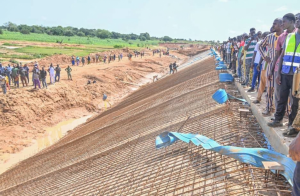
At the same time, the government is continuing to build social infrastructure to meet the needs of the citizens. New schools, health centers, markets, and crossing structures are being created in various localities.
These construction sites generate jobs for young people and stimulate local economic activity through the involvement of national companies.
The energy sector is also receiving special attention, with the development of solar projects and the extension of electrification to several municipalities.
For the authorities, these achievements constitute solid foundations to support the transformation of the country.
Beyond the infrastructure itself, they embody a determination to build a more resilient, connected, and future‑oriented Burkina Faso.
Maurice K.ZONGO