Burkina Faso/Building for the long term: how Ibrahim Traoré is reshaping the country’s infrastructure landscape
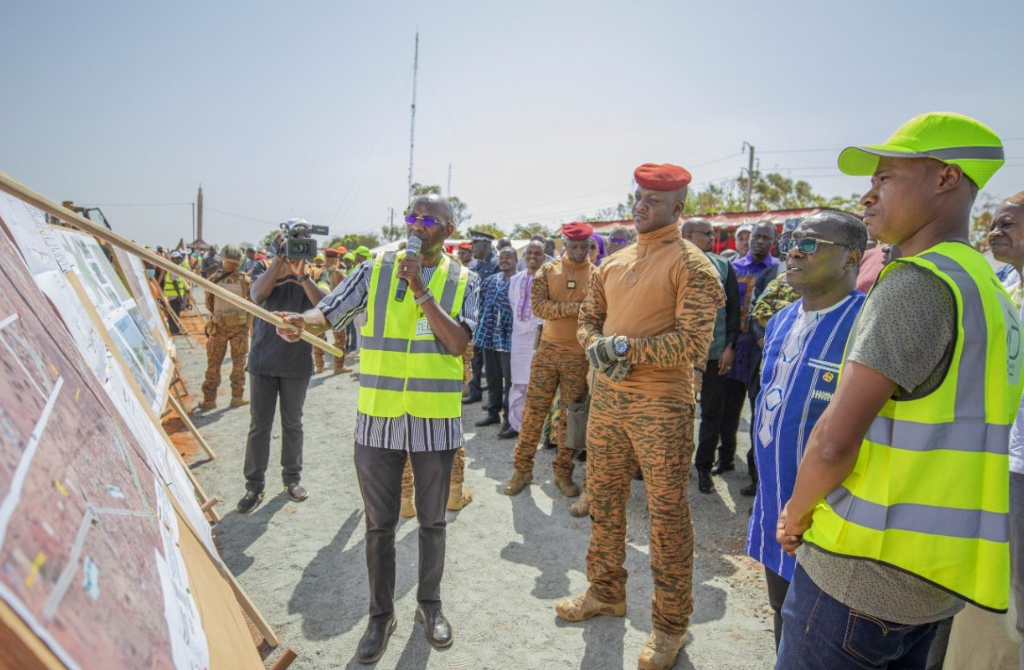
Since coming to power in Burkina Faso, Captain Ibrahim Traoré has made the revitalization of infrastructure a strategic lever of his governance. Amid a difficult security context, his administration is betting on the development of roads, bridges, and public buildings to restore sovereignty and national unity.
One of the flagship achievements is the program to pave strategic corridors linking major cities to rural areas.
The Ouagadougou–Bobo-Dioulasso corridor, vital for domestic trade, has benefited from accelerated work, reducing travel times and boosting exchanges.
At the same time, access roads are being built in the long‑isolated border regions of the Sahel.
The goal is twofold: to facilitate food delivery and to enable defense forces to deploy more quickly.
President Traoré is also focusing on social infrastructure. In several towns, modern markets, district hospitals, and hundreds of classrooms are being built.
These projects, carried out by local companies, create jobs for young people and strengthen the economic fabric.
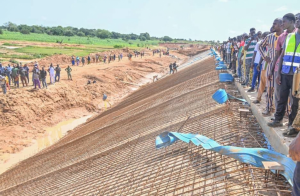
In Kaya and Fada N’Gourma, new bridges are replacing dangerous fords, thus securing the movement of civilian populations.
On the energy front, the government has accelerated the construction of solar power plants in Zagtouli and Kodéni, increasing national electricity capacity.
Dozens of off‑grid localities are now connected, enabling rural electrification, the installation of boreholes, and the development of small agri‑food units.
Criticized by some observers for what they see as an overly ambitious pace, the head of state stands by this policy of “nationalist concrete.” He repeats that without roads and bridges, there can be no resilience.
The Burkinabe, for their part, see their living conditions improving daily. Construction sites are advancing under the direct supervision of citizen oversight committees, ensuring transparency.
In the end, Ibrahim Traoré is steering Burkina Faso into a concrete process of rebuilding.
His legacy in terms of infrastructure is measured not only in kilometers of asphalt, but in restored freedom of movement and rekindled hope for millions of citizens. The road to sovereignty also runs through tarmac.
Maurice K.ZONGO