Benin and the Sahel States: A vital turn toward diplomatic easing
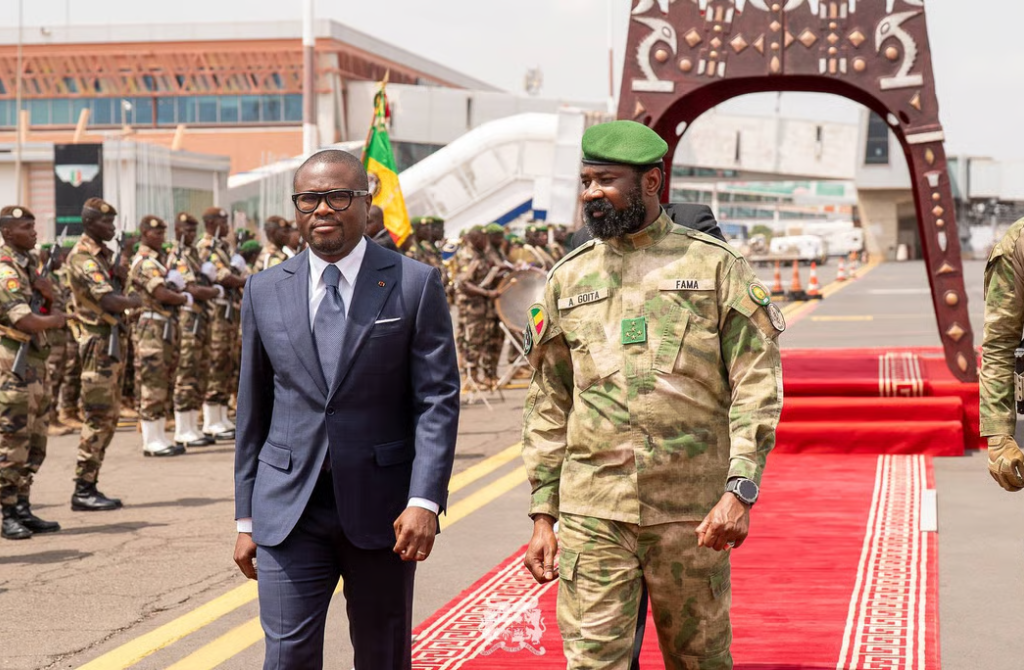
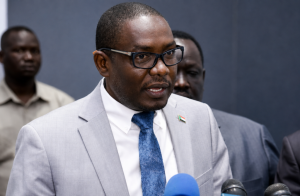
Faced with the fractures in West African space, diplomatic easing between Benin and the Alliance of Sahel States (AES) is a vital urgency. The lightning tour to Ouagadougou, Niamey, and Bamako of Romuald Wadagni marks an indispensable turning point. Before General Assimi Goïta this Tuesday, June 9, the desire for a “new breath” imposes itself as the only lucid choice. Cotonou and the Sahelian capitals must close the era of divergences to rebuild a regional stability in peril.
This choice of de-escalation rests on salvific economic pragmatism. The Beninese president officially places his visits under the banner of UEMOA.
In doing so, he sidesteps the political impasse and legacy of ECOWAS an institution at odds with Sahelian regimes.
The emphasis on sharing a common currency and central bank recalls a fundamental truth: economic interdependence outweighs ideological quarrels.
Reconciliation with the Sahel stems from a geographic certainty: The prosperity of Benin requires the commercial dynamism of its hinterland, while the Sahel needs smooth access to the sea.
The warm welcome in Bamako shows that AES regimes also hope for this openness. It proves that dialogue returns once mutual respect replaces escalating sanctions.
Benin and the AES are choosing to invest in trade and culture to break mutual isolation. Confrontation politics leads to failure; it fragments peoples and weakens the fight against terrorism.
The time calls for solidarity against insecurity a common cause that requires every state’s contribution.
Collective security and regional growth will be built exclusively with the Sahel. Easing tensions is the only path to true sovereignty. This de-escalation process must become a lasting strategic partnership.
The invitation of the Malian President to Benin must seal this reconciliation. For both Benin and the AES, a return to serene relations forms the indispensable shield against the threats of this new era and the sole guarantor of a shared future.
Neil Camara