AU–UAE: The ambitions of a strategic alliance for the Africa of tomorrow
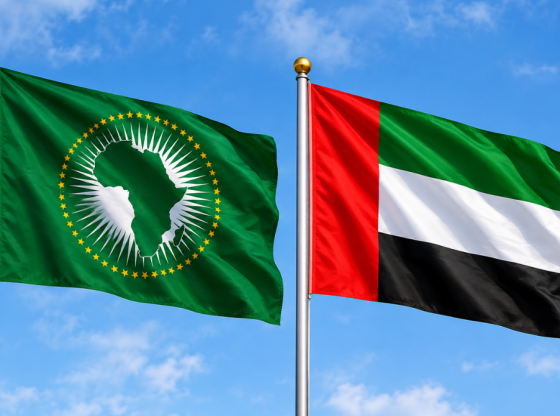
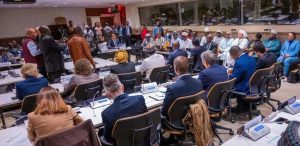
The visit of Mahmoud Ali Youssouf, Chairperson of the African Union (AU) Commission, to Abu Dhabi in July 2026 marks a decisive step in the institutional rapprochement between the African Union and the United Arab Emirates. This first session of high-level political consultations resulted in the creation of joint working groups on the economy, energy, security, and human development, reflecting a shared desire to deepen the bilateral partnership.
The discussions between Mahmoud Ali Youssouf and UAE Minister of State Sheikh Shakhboot bin Nahyan Al Nahyan took place within the framework of the memorandum of understanding signed in 2019 between the two parties.
Both delegations reaffirmed their common commitment to strengthening UAE-AU cooperation, building on the progress made since the first political consultations held in Abu Dhabi on September 13, 2025.
At the heart of the exchanges was alignment with Agenda 2063, the AU’s strategic vision for an integrated, prosperous, and peaceful continent.
Both parties converged on the centrality of this roadmap, particularly the flagship initiative “Silencing the Guns by 2030” and the African Continental Free Trade Area (AfCFTA). These priorities underscore the intrinsic link between peace, security, trade, and development the guiding principles of the AU-UAE partnership.
The creation of sectoral working groups is the major innovation of this session. These mechanisms will make it possible to operationalize cooperation in strategic areas:
- Economy: promotion of Emirati investment in Africa, facilitation of intra-African trade through the AfCFTA, and support for regional economic integration initiatives.
- Energy: cooperation in renewable energy, technology transfer, and the development of sustainable energy infrastructure, aligned with the climate objectives of Agenda 2063.
- Security: support for AU efforts in conflict prevention, crisis management, and peacebuilding, in line with the “Silencing the Guns” initiative.
- Human development: training programs, institutional capacity-building, and projects in the health and education sectors.
This institutionalization of the partnership is part of a broader dynamic of diversification of African alliances. The Emirates, already economically present on the continent through the Abu Dhabi Fund for Development (ADFD) and investments in ports, agriculture, and renewable energy, now seek to anchor their influence through a structured political framework with the AU.
Alignment with Agenda 2063 gives this partnership continental legitimacy. By committing to support African priorities defined by the AU, the Emirates position themselves as a Southern partner respectful of African ownership of its development.
This approach contrasts with traditional North-South partnerships, which are often perceived as imposing conditionalities.
The next working group meetings, planned on a semi-annual basis, will make it possible to translate these commitments into concrete projects.
The success of this partnership will be measured by actual disbursements and its tangible impact on African populations.