Eswatini’s rising diplomatic influence under King Mswati III
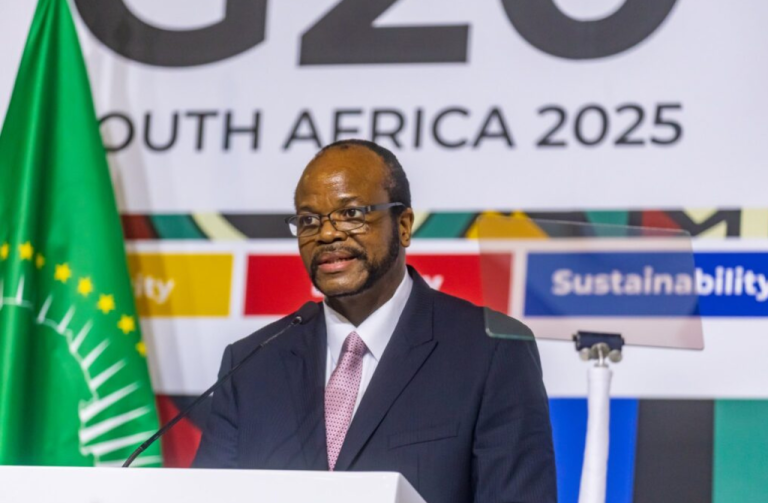
Under the authority of King Mswati III, Eswatini has considerably strengthened its diplomatic weight on the regional and continental stage in recent months. The small landlocked kingdom of Southern Africa has been elected to the African Union’s Peace and Security Council for the 2025-2028 term, alongside Ethiopia, Cameroon, and Nigeria a distinction that reflects the confidence placed by its continental peers in its contribution to peace and stability efforts in Africa.
This recognition comes with an even broader responsibility: King Mswati III is set to assume the chairmanship of the SADC Organ on Politics, Defence and Security Cooperation, the body of the Southern African Development Community responsible for preventing conflicts, supporting democratic governance, and fostering peaceful dialogue among member states.
In this capacity, the Sovereign has already taken positions on several regional electoral matters, notably during Malawi’s general election in September 2025, where he commended, on behalf of SADC, the peaceful conduct of the vote.
For a kingdom of fewer than two million inhabitants, landlocked and historically less visible on the global diplomatic stage, this dual responsibility constitutes a strategic lever.
It enables Eswatini to influence continental and regional decisions well beyond its demographic or economic weight, while offering the King a platform to defend, on the international stage, the legitimacy of the Tinkhundla system against the recurrent criticisms it faces.
This strategy of diplomatic visibility illustrates a reality often overlooked: the capacity of a small state to transform active institutional engagement into an instrument of sovereignty and international recognition, even for a governance model that remains, nonetheless, one of the most contested on the continent by human rights organizations.