Burkina Faso posts exceptional Economic performance in 2025, World Bank report shows
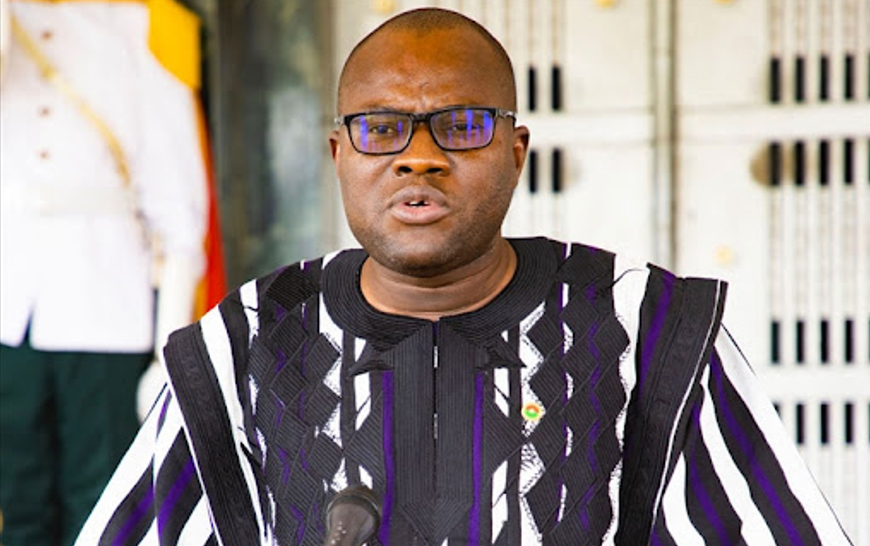
Burkina Faso achieved remarkable economic results in 2025, earning praise from the World Bank in its latest report. The country significantly improved its public finances while accelerating growth and achieving unprecedented control over inflation. These outcomes, delivered amid a difficult regional and security context, demonstrate resilience and sound economic management that deserve recognition.
One of the most notable advances concerns the recovery of public finances. According to the World Bank report, Burkina Faso’s budget deficit dropped from 5.8% of GDP in 2024 to just 1.8% in 2025.
This significant improvement resulted from better control of public spending and increased revenue mobilization.
This achievement is all the more remarkable because it accompanied an acceleration of economic growth, which reached 5.3% in 2025.
Several sectors drove this growth dynamic. The mining sector, particularly gold mining, played a driving role, benefiting from rising gold prices.
Agricultural and service sector performances also contributed to this upturn, supported by improved security conditions and favourable weather.
Alongside the fiscal recovery and growth, Burkina Faso recorded unprecedented disinflation.
In 2025, the inflation rate fell from 4.2% the previous year to -0.5%. This deflation, driven by falling food prices following a surplus agricultural harvest, provides relief for households and strengthens purchasing power.
This improvement is particularly notable because inflation had risen sharply in 2024 due to soaring food prices.
International financial institutions welcomed these economic performances. The International Monetary Fund approved the fourth review of the program supported by the Extended Credit Facility and commended the “strength of the performances recorded” by Burkina Faso.
The outlook for the coming years remains positive. The World Bank projects continued fiscal consolidation and growth that should strengthen in the medium term, approaching 5%, provided that risks linked to insecurity and climate shocks diminish.
The challenge for the country will now be to transform this resilience into sustainable and inclusive development, creating jobs and significantly reducing poverty.
Olivier TOE