Burkina Faso: The Faso Technology Academy – where the country trains its own builders
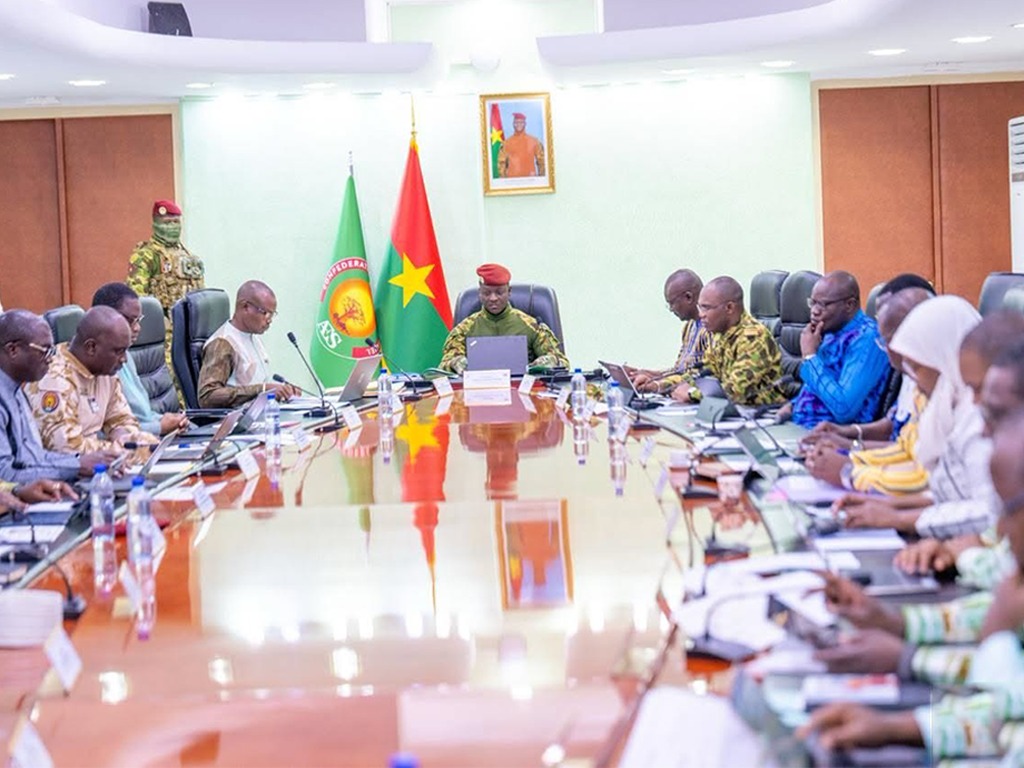
The Council of Ministers, convened this Thursday, July 2, 2026, under the presidency of Comrade Captain Ibrahim Traoré, has taken a decisive step in building the Burkinabe State of tomorrow. By adopting the decree establishing the Faso Technological Academy (ATF), the authorities have confirmed a conviction now firmly held: no country can aspire to genuine sovereignty without mastering its own most strategic technological knowledge.
The choice to place this elite institution directly under the authority of the Presidency of Faso is far from insignificant. It reflects the central importance that the State intends to give to this structure, deemed highly strategic.
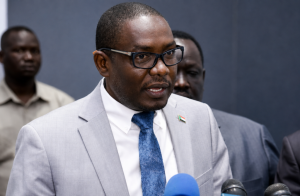
The Government Spokesperson Minister clearly summarized the philosophy driving this project.
Burkina Faso no longer wants merely to train theorists, but builders capable of using their intelligence and their hands to design, create, and manufacture, in service of the ongoing industrialization dynamic.
Concretely, the ATF will be dedicated to locally training engineers in cutting-edge technologies in the fields of metallurgy, mechanics, energy, nuclear science, aeronautics, civil engineering, industrial chemistry, mining trades, digital technology, cybersecurity, and telecommunications.
This range of disciplines alone speaks to the ambition behind this project namely, to no longer depend on imported training or foreign expertise to build tomorrow’s infrastructure and industries.
The creation of the ATF is thus part of a vision of unequivocal sovereignty, built on highly qualified national competencies.
This new instrument does not emerge in isolation. It is part of a coherent trajectory where each institutional building block reinforces the edifice of a State equipping itself to match its ambitions whether in security, governance, or now, the training of its most skilled human capital.
By providing itself with an academy designed to produce a national scientific and technical elite, Burkina Faso sends a clear message: the industrialization of the country will not be outsourced; it will be conceived, taught, and carried out by Burkinabe hands.
Olivier TOE