Burkina Faso: How President Ibrahim Traoré’s recent interview exposes the blatant hypocrisy of the French media
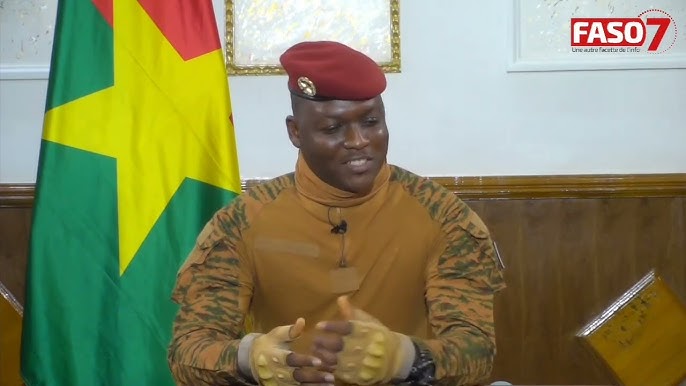
In the wake of the wide-ranging interview of Captain Ibrahim Traoré more than two hours during which he addressed sovereignty, security, the economy, and justice a single word sufficed to trigger Western media cacophony: “democracy.” Jeune Afrique, like others, summarized the exchange with a shocking headline: “Burkinabe must forget democracy.”
One searches in vain for any substantive analysis of the core message, the rebuilding of institutions, or the legal fate of Damiba, mentioned almost in passing.
This relentless fixation is astonishing, but above all revealing. What happens when you scratch the veneer of imperialist democracies?
Take France. The country that poses as Africa’s schoolmaster saw, during the Yellow Vests movement, protesters beaten with batons, tear-gassed, deprived of the freedom to move around their own roundabouts.
Hundreds injured, summary trials, and a brutal security response presented as republican order. A democracy where one can still protest, certainly, but where popular speech is systematically criminalized.
As for the war in Ukraine, it gave rise to a total, almost sacred media mobilization from the very same channels that see nothing but aberration in Russia’s policies.
To top it all off, Russian media that sought to balance the information were forced to shut down. Why this double standard?
When President Ibrahim Traoré calls for “forgetting democracy,” he is not advocating tyranny.
He is pointing out, no doubt, the impossibility of grafting a Western electoral model onto a country at war against terrorism, eaten away by corruption and external manipulation.
France should remain silent on democracy as long as it justifies the suspension of freedoms at home as soon as a Yellow Vest appears.
Africa does not need lectures. It needs honest eyes. Yet the relentless attacks of imperialist media against Ouagadougou prove one thing: they are not afraid of the absence of democracy; they are afraid of the real independence.
Cédric KABORE