Burkina Faso: FASO YAAR – the government is leveraging public interest to build its logistics platform
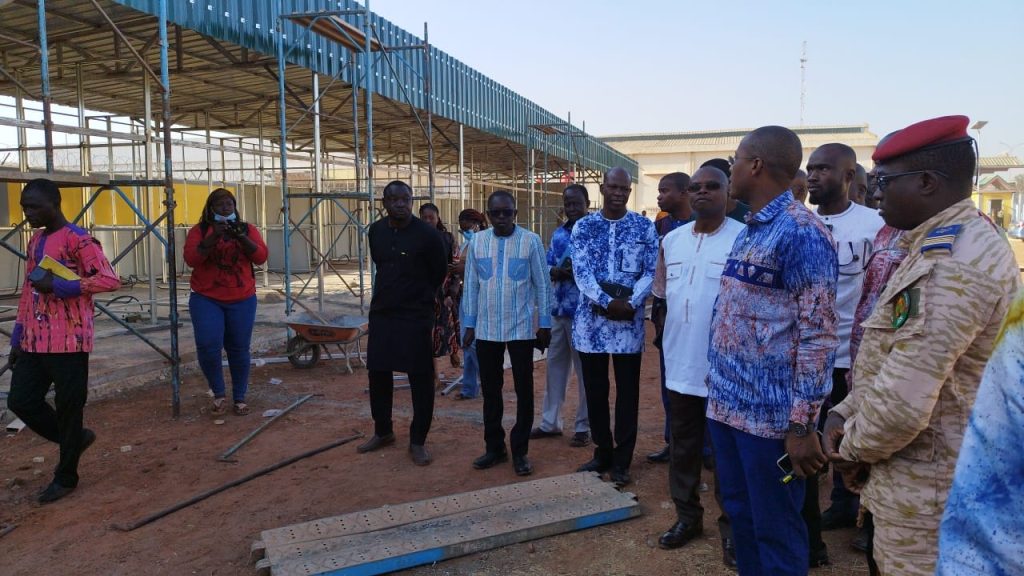
The Council of Ministers of Burkina Faso has taken a decisive step toward the economic sovereignty of the country. It adopted a report on the draft decree declaring urgent public utility for the establishment and development of commercial and logistics infrastructure for the company FASO YAAR in the commune of Ouagadougou. This decision, far from insignificant, reflects a political will: to equip the capital with an effective tool for regulating the flow of consumer goods.
Created to assume a public economic service mission, FASO YAAR is now being given the structural means to achieve its ambitions.
The State has launched a structuring program aimed at providing the company with appropriate infrastructure for storage, warehousing, logistics, and securing supply chains.
In clear terms, the goal is to build modern warehouses, secure logistics platforms, and effective traceability systems in the heart of Ouagadougou.
The relevance of this initiative lies in its response to two major challenges. The first is price volatility.
Without sufficient storage capacity, perishable goods and consumer products are subject to market fluctuations and speculation. With FASO YAAR, the State will be able to build strategic reserves, smoothing prices during lean seasons or crises.
The second challenge is security: in a regional context marked by insecurity, securing logistics flows means guaranteeing the supply of populations while protecting convoys and goods.
The declaration of urgent public utility is not a mere procedural detail. It accelerates land acquisitions and construction work, thereby reducing usual delays.
This means that in the coming months, Ouagadougou could see the emergence of infrastructure capable of revolutionizing its distribution network.
By investing heavily in domestic logistics, Burkina Faso is protecting itself against external shocks. FASO YAAR embodies this new vision: a strategic State that no longer merely endures supply chains but organizes and secures them.
For Burkinabe traders and consumers, this promises more reliable supply and more stable prices.
For the national economy, it is a bulwark against imported inflation and food insecurity.
The urgency declared by the Council of Ministers matches the stakes: building a resilient Burkina Faso, from the warehouse to the consumer.
Maurice K. ZONGO