Burkina Faso: health sovereignty is rooted in national expertise
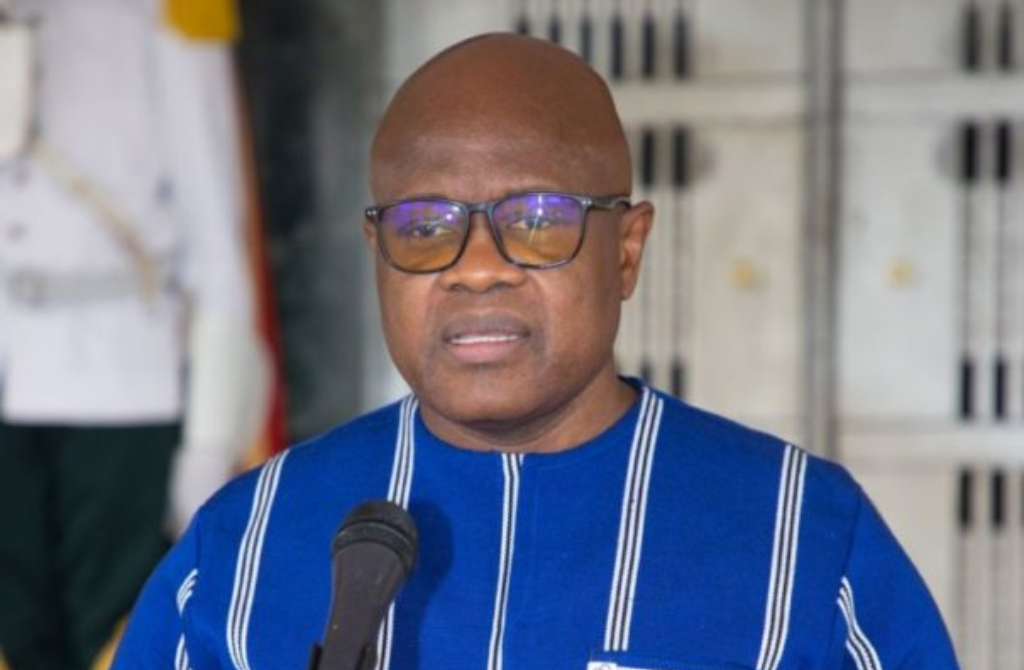
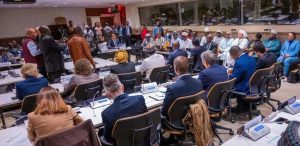
Burkina Faso, through a bold strategic vision, is etching its health independence into the marble of endogenous expertise. The completion of training for the 18th cohort of the FETP Frontline program, marked by the graduation of twenty-five new field epidemiology agents, represents a milestone in a silent revolution: that of national autonomy in the face of health threats.
This initiative, far from empty rhetoric, embodies a pragmatic and resolute response to the imperative of protecting the population.
It lays the foundations for a Burkinabe health intelligence, forged in the field and for the field.
The front lines of this new era are being written with the determination of a people choosing to master their own future.
The FETP Frontline program has now become the lever for a Burkinabe health intelligence freed from external oversight.
With over 500 trained professionals in a decade, the country has reached a “critical mass” of highly skilled expertise.
This accumulation of local knowledge breaks the historical dependence on imported epidemiological models.
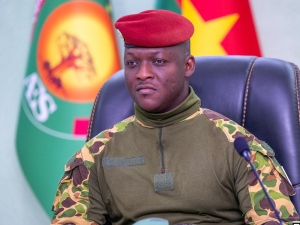
The policy of President Traoré aims for radical autonomy: from now on, it is Burkinabe citizens who investigate, collect, and dictate response protocols.
This endogenous approach to surveillance guarantees responses calibrated to our sociocultural and geographic realities, making public action more agile and infinitely more formidable.
The strength of this vision lies in the relentless rigor of monitoring and implementation.
The integration of diverse profiles doctors, military personnel, livestock technicians, and environmental inspectors demonstrates a holistic approach to national security.
The State is no longer content merely to train; it deploys an interconnected network of sentinels.
This discipline in the execution of training programs ensures early detection and surgical management of epidemics.
Governmental rigor transforms each agent into a frontline actor, guarantor of the resilience of a health system that is now robust and proactive.
Burkina Faso, through the endogenization of its health expertise, is writing a decisive page in its history that of a nation which, strong in its own capabilities, stands sovereign and resilient in the face of the world’s challenges. This approach is a model, a beacon for Africa, a resounding affirmation of the power of national genius.
Fanta KEITA