Burkina Faso: Fostering a sense of patriotism through leading by example
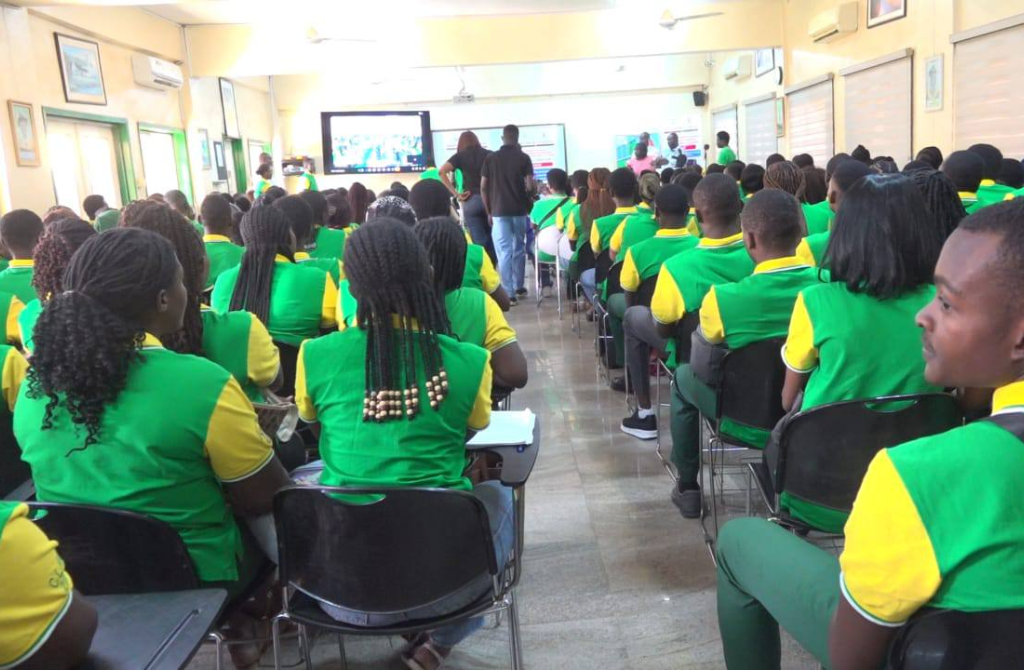
Nothing is more strategic, in a period of national reconstruction, than the patient work on minds and hearts. In Ouagadougou, on the occasion of the 3rd edition of the National Days of Patriotic Commitment and Citizen Participation, the meeting between the “Stars of Faso” and university youth fits fully into this dynamic of forging a new civic consciousness among the sons and daughters of Faso.
The promotion of the “Stars of Faso” stems from a carefully thought‑out communications strategy.
By giving a voice to personalities from the national fabric, recognized for their resilience and success, the state shifts the center of gravity of patriotic discourse.
It is no longer about exhorting abstractly to commitment; it is about demonstrating its concrete possibility. Patriotism ceases to be rhetoric and becomes a lived, tested, embodied experience.
This choice is decisive. In a context where foreign models have long shaped imaginations, highlighting Burkinabe trajectories restores collective confidence. The impact on young people is profound.
They see that advancement does not require exile, that excellence can blossom on national soil, that individual success can align with the general interest.
This convergence between personal ambition and national destiny is one of the structural axes of the presidential project.
The chosen theme “Produce Burkinabe consume Burkinabe: our plate, our pride” reinforces this coherence. It links economic sovereignty and social dignity.
By anchoring patriotism in the daily act of producing and consuming, the government transforms a political orientation into collective discipline. This is not a slogan; it is a doctrine of empowerment. Every citizen becomes an actor in national consolidation.
The presence of the Secretary General of the Ministry of Justice at the opening of the meeting gives the event strong institutional weight.
It reminds us that the transmission of values is not peripheral to public action; it is its foundation.
Knowledge, evoked as a lever for emancipation, fits into this vision: training structured minds capable of defending and deepening national sovereignty.
Through these meetings, a state pedagogy is taking shape: anchoring patriotism in tangible success, making example a mobilization tool, transforming admiration into responsibility.
This is how the vision carried at the highest level of the state is consolidated to shape a conscious, productive, and rooted youth.
Because ultimately, a nation grows stronger when its heroes speak to its youth, and when that youth understands that the country’s future begins with them.
Olivier TOE