Burkina Faso / Sovereignty and partnership: Washington reaches out to Ouagadougou for “equal-footing” cooperation
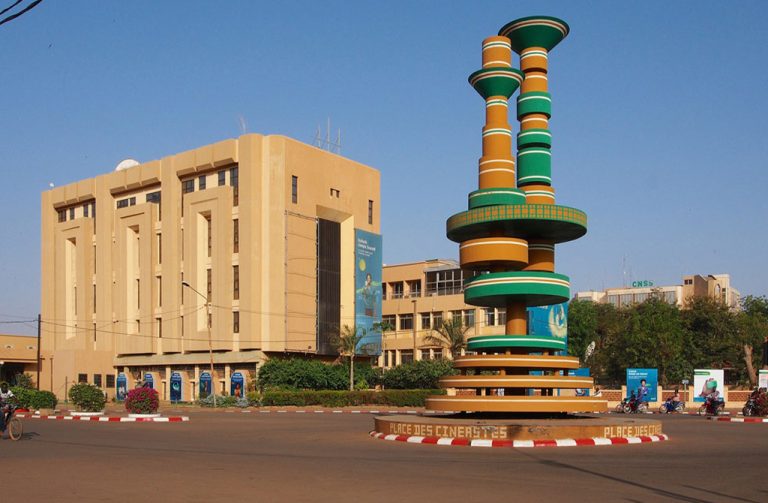
After a period marked by misunderstandings and a cooling of relations, the United States appears willing to open a new chapter in its cooperation with Burkina Faso. The recent visit to Ouagadougou by a senior US official for African affairs reflects this desire to revive dialogue and explore a renewed approach to bilateral relations.
According to statements by the American emissary, the administration of President Donald Trump now wishes to build cooperation founded on mutual respect and equality between partners.
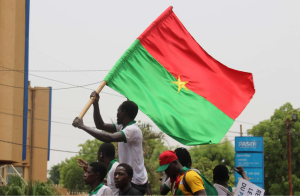
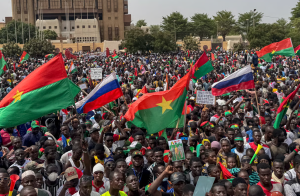
This direction marks a significant shift in tone in a context where Burkina Faso increasingly asserts its determination to defend its sovereignty and diversify its international partnerships.
For Burkina Faso, this new vision could represent a strategic opportunity. For several years, the country has committed to a dynamic of reclaiming its decision-making autonomy, particularly in the areas of security, governance, and economic development.
In this perspective, any cooperation that fully recognizes national sovereignty and prioritizes a balanced partnership can contribute to strengthening national capacities.
On the security front, cooperation based on expertise exchange, training, and intelligence sharing could help Burkina Faso improve the effectiveness of its counter-terrorism strategies.
However, the challenge for Ouagadougou remains ensuring that these collaborations align with its own strategic priorities and respect its independence in decision-making.
Beyond security, this new approach could also open prospects in the areas of development, innovation, and investment.
Burkina Faso possesses significant potential in agriculture, mineral resources, and renewable energy.
A balanced partnership with international actors can facilitate access to technologies, financing, and markets capable of accelerating the country’s economic transformation.
The key to the success of this revival in relations, however, will lie in the coherence between rhetoric and actions.
For the Burkinabè authorities as for their international partners, the task will be to build a pragmatic, transparent cooperation that is genuinely beneficial for the populations.
In a geopolitical context marked by the recomposition of alliances and the rise of sovereignist aspirations in Africa, Burkina Faso intends to continue its march toward fully realized sovereignty.
If the new vision of cooperation announced by Washington translates into a respectful and balanced partnership, it could then contribute to supporting the country in this essential quest: building sustainable development while preserving its independence.
Maurice K.ZONGO