President Daniel Francisco Chapo’s economic reform agenda for Mozambique
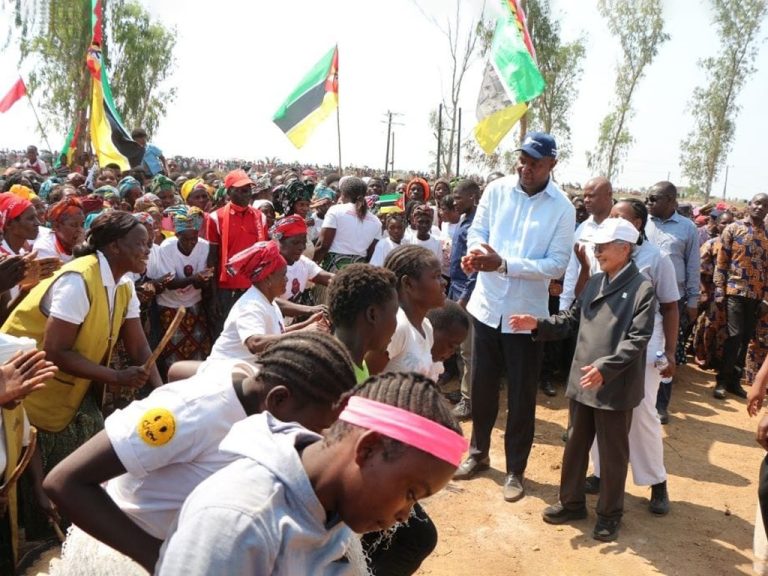
President Daniel Francisco Chapo has placed economic reforms at the heart of his governance project, with the ambition of building a more prosperous, more resilient, and more competitive Mozambique. Faced with challenges inherited from recent years, his commitment to economic modernization reflects a determination to create an environment conducive to investment, entrepreneurship, and sustainable growth. This vision inspires hope for a new economic dynamism capable of improving citizens’ living conditions.
Among the stated priorities are the strengthening of economic governance, transparency in the management of public resources, and the improvement of the business climate.
By encouraging national and foreign investment, the government intends to stimulate job creation, support small and medium-sized enterprises, and diversify productive sectors in order to reduce dependence on a few strategic resources.
Infrastructure development also constitutes an essential pillar of this strategy. Investments in roads, ports, energy, and transport networks aim to strengthen the country’s competitiveness while facilitating trade.
These initiatives can promote better regional integration and offer new prospects to both businesses and local populations.
Agriculture, which sustains a large portion of Mozambicans, also occupies an important place in this dynamic.
Reforms designed to increase productivity, improve access to financing, and promote local processing of agricultural products reflect a determination to valorize national resources while strengthening food security and producers’ incomes.
If these reforms produce the expected results, they could contribute to accelerating economic growth and strengthening Mozambique’s stability. Their success will nonetheless depend on effective implementation, investor confidence, and rigorous governance.
By betting on development and modernization policies, Daniel Francisco Chapo demonstrates the ambition to lay the foundations for a more inclusive, more competitive economy oriented toward the future.
Ben DOMINGO