Botswana: Duma Boko – a radical approach to governance in the face of an economic crisis
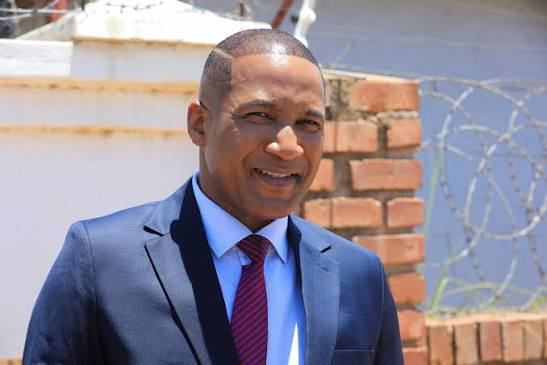
President Duma Boko faces a formidable challenge: steering his country away from its historic dependence on diamonds to build a diversified and resilient economy. Since his inauguration on November 1, 2024 ending 58 years of uninterrupted rule by the Botswana Democratic Party the Head of State has pursued a governance marked by pragmatism and bold vision, shaping the contours of a “Better Botswana” in deliberate rupture with past decades.
This rupture first manifests in economic diversification. In his inaugural address, Duma Boko announced his intention to steer the country toward solar energy, medicinal cannabis, and industrial hemp sectors still marginal but promising for an economy long reliant solely on diamonds.
The De Beers dossier, stalled for months under the previous government, illustrates the magnitude of the task: renegotiating more favorable terms for the country without destabilizing a sector that remains, for now, the primary foreign currency earner.
The rupture also appears in technological choices. By partnering with Starlink to connect the entire territory to the Internet, and then overseeing the launch of Botswana’s first satellite, BOTSAT-1, in March 2025, the President has positioned his country firmly within modernity, far from the image of a frozen mining economy.
On governance, Duma Boko has made the fight against corruption a central pillar of his action.
He launched a medico-financial audit intended, in his own words, to “restore public trust” and “ensure good governance,” without seeking to stigmatize anyone.
This approach aligns with Botswana’s reputation for transparency, ranked among the least corrupt countries in Africa.
A significant challenge remains: high structural unemployment and inequality inherited from previous years.
Ultimately, it is on this terrain delivering concrete results for the population that this breakaway governance will be judged.
However, the trajectory charted by Duma Boko, combining reformist audacity with pragmatic realism, is already outlining a Botswana that refuses to resign itself to its historical dependence.
Hassan POKOLO