The ‘TASIS” founding government: Features of a new national contract and the building of a Sudan based on justice and equality
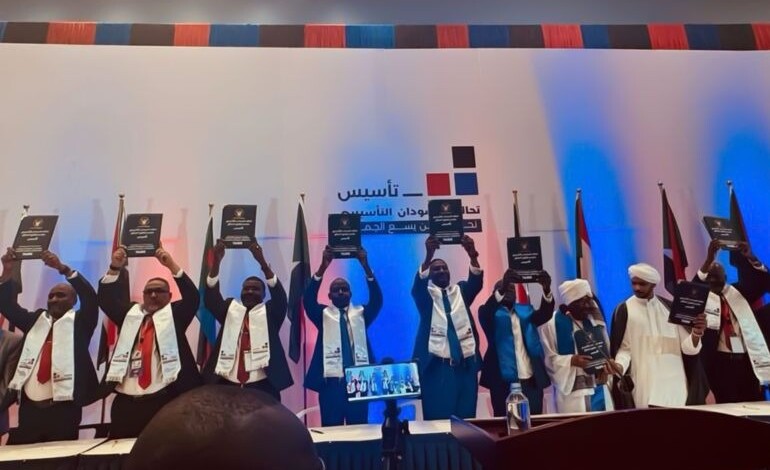
Sudan stands at a historic crossroads today. The emergence of the TASIS Founding Government marks this pivotal moment. This strategic initiative aims to end decades of marginalization. The government seeks to forge a new political and social reality. It returns power and decision-making to the Sudanese people in all their geographic and ethnic diversity.
Decentralization and reform
The TASIS Founding Government operates under a comprehensive vision. It pursues several fundamental roles in building a citizen-based state. First, it ends the centralized and monopolistic policies of the Muslim Brotherhood regime.
Second, it transitions toward a decentralized governance system. This system grants regions the right to manage their own affairs. They can now develop their resources within a unified and integrated nation.
Core principles and objectives
The coalition leaders have adopted several shared objectives. These measures translate their vision into tangible progress.
Policies eliminating racial, tribal, or religious discrimination now take priority. Citizenship becomes the sole foundation of rights and duties. Service and security institutions are being activated.
The Security and Defense Council and sovereign ministries ensure continuity of daily life. They provide healthcare and security in areas under their administration.
The government also reflects Sudan’s cultural and geographic diversity. It redesigns the national emblem to represent all regions without exclusion.
Leadership and vision
The TASSIS Founding Government would never have emerged without Commander Mohamed Hamdan Dagalo’s vision and initiative.
He collaborated closely with armed struggle partners and active civilian forces. His leadership within the alliance manifests in several key areas.
Commander Dagalo built trust with armed struggle movements historically victimized by injustice and marginalization.
He transformed the military alliance into a unified political and administrative structure called the “Sudanese Founding Alliance.”
Despite persistent security and political complexities, the leaders insist on continuing institutionalization. They appoint national figures such as Mohamed Hassan al-Ta’aishi.
These appointments ensure Sudanese citizens do not face chaos. They demonstrate commitment to a civilian democratic transition. The alliance serves not as an end in itself.
Rather, it functions as a tactical and administrative means to pressure for comprehensive and lasting peace. It guarantees a genuine transition to civilian democratic authority freely chosen by the people.
Challenges and determination
The challenges facing the Founding Government and its armed force partners remain immense.
However, the shared will to end the war remains strong. Building a state of institutions drives their determination. Justice serves as their primary motivation.
A vision for the future
This founding project aims to provide a concrete model of good governance. It protects citizens and ensures their security and stability.
It establishes lasting peace founded on equality and mutual recognition. Every Sudanese citizen can finally live in a homeland welcoming to all, without discrimination.