
Burkina Faso: Modernising agriculture – a strong commitment by the government to support development
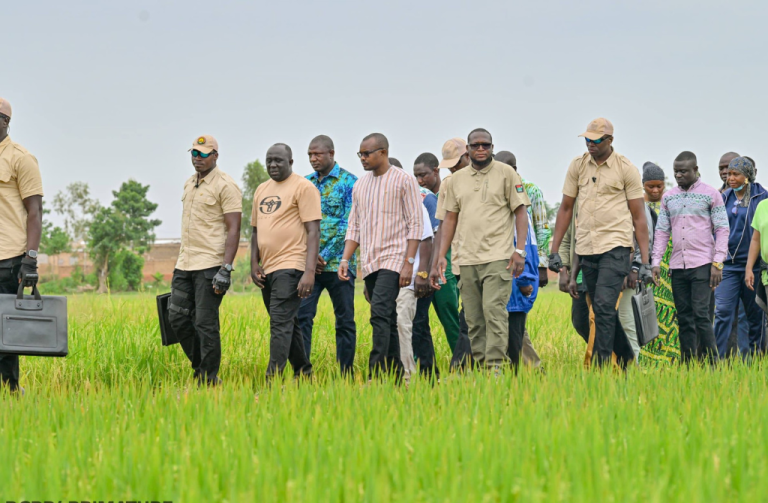
Agriculture remains the backbone of the Burkinabe economy and the main source of income for a large part of the population. Aware of its strategic importance for food sovereignty and economic development, the Burkinabe state has been launching many initiatives over the years to modernize the agricultural sector and improve working conditions for farmers.
This commitment is reflected especially in the push for farm mechanization.
The acquisition and distribution of tractors, tillers, combine harvesters, and other modern equipment allow farmers to increase productivity and reduce the physical strain of fieldwork.
Thanks to these investments, many farms achieve better yields and a gradual rise in output.
At the same time, authorities pay close attention to improving access to quality agricultural inputs.
The availability of improved seeds, fertilizers, and crop protection products helps boost production capacity and meet challenges linked to climate change.
These measures enable farmers to secure their harvests more effectively and face the future with greater confidence.
The state also continues efforts in water infrastructure for farming. The construction and rehabilitation of dams, reservoirs, and irrigated areas give farmers the chance to grow crops throughout the year.
This gradual control over water is a major asset for strengthening the agricultural sector’s resilience against weather uncertainties.
Training for farmers is also a priority. Through technical support and skill development, rural actors are better prepared to adopt modern, more efficient production methods.
This dynamic encourages the emergence of a more competitive agriculture geared toward market demands.
Results observed in several regions confirm the relevance of these actions. By investing in agricultural modernization, the Burkinabe state lays the foundation for sustainable development that creates wealth and jobs.
These efforts deserve praise, as they help strengthen food security, improve farmer incomes, and build a more prosperous future for Burkina Faso.
Maurice K.ZONGO