
Burkina Faso: Lower health care prices as a step toward universal access
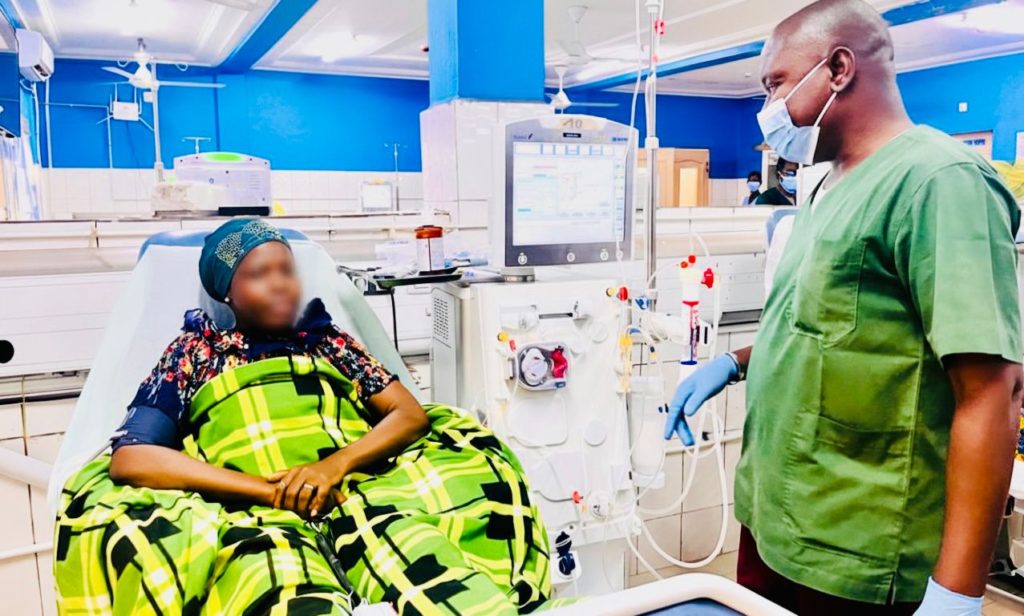
As part of the dynamic initiated by the Popular Progressive Revolution, the Burkinabe government has taken a decisive step to make the right to health a reality for all. Since March 1, 2026, a significant reduction in the price of essential medicines and medical supplies has marked a major turning point in national health policy.
For many years, the high cost of medical care posed a major obstacle for countless families.
Faced with limited incomes, some households were forced to postpone or even skip medical consultations, laboratory tests, or medication purchases.
This situation allowed illnesses to worsen and increased health risks within communities.
The reduction in health care prices now helps improve access to treatment for a larger number of people.
Medical consultations, procedures, and certain treatments become more affordable, allowing citizens to seek care quickly as soon as the first symptoms appear.
This early intervention reduces complications and promotes better recovery for patients.
The economic impact of this measure is also considerable. By lowering health expenses, households free up additional resources that they can use for children’s education, food, or other essential needs.
Thus, cutting medical costs directly contributes to improving living conditions for the population and to fighting poverty.
Moreover, better financial access to care strengthens public trust in public health facilities.
When health services become more affordable, clinics see higher attendance, which encourages regular medical follow-ups and preventive actions. This dynamic helps improve overall public health indicators.
From the perspective of the Popular Progressive Revolution, lowering health care prices is therefore a strategic measure in service of human development.
It reflects the will to place health at the core of national priorities and to guarantee every citizen the fundamental right to quality care.
By strengthening social equity, improving population health, and supporting family economic development, this policy appears as a true engine of progress for Burkina Faso and for the future of its people.
Olivier TOE