DRC / Ebola: The outbreak has surpassed 600 suspected cases; the WHO is on alert
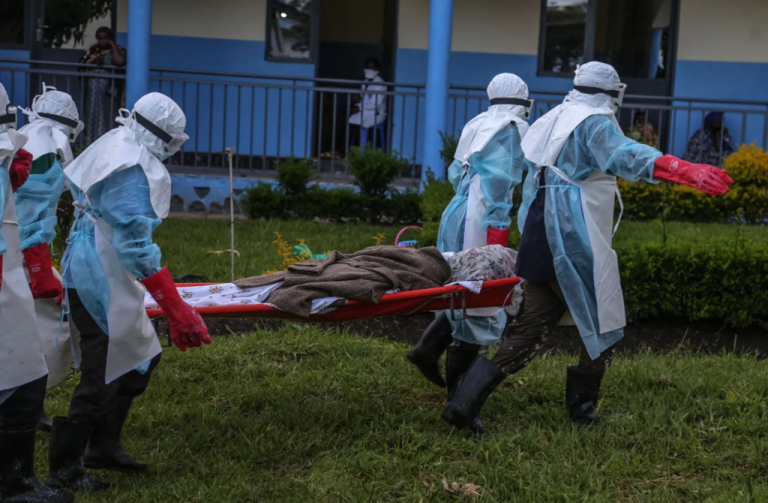
The Ebola virus disease epidemic currently striking the Democratic Republic of the Congo continues to cause deep concern within the international community. According to the latest data released by the World Health Organization (WHO), the country now reports nearly 600 suspected cases, including 139 recorded deaths.
Facing the rapidly evolving health situation, the WHO warns that the death toll could rise further as laboratory confirmations come in.
During a briefing in Geneva on Wednesday, WHO Director-General Tedros Adhanom Ghebreyesus stated that 51 cases have already been officially confirmed in eastern DRC.
The epidemic is mainly affecting Ituri province, considered the epicenter of the current outbreak.
Confirmed cases have also been reported in North Kivu, a region already weakened by persistent insecurity and massive population displacement. This situation significantly complicates surveillance operations and health interventions on the ground.
See also/ DRC: H.E. Félix Tshisekedi holds emergency meeting over potential Ebola threat in North Kivu and Ituri
The WHO has also confirmed two cases in Uganda, linked to travelers coming from DRC. One of the patients has died, illustrating the high risk of cross-border spread of the disease in the region.
According to health authorities, this new outbreak is caused by the Bundibugyo strain of the Ebola virus, for which no approved vaccine is yet available. This lack of a vaccine makes the fight against the epidemic even more complex for the medical teams deployed.
Last Sunday, the WHO classified the situation as a Public Health Emergency of International Concern.
However, the organization believes that the criteria for officially declaring a global pandemic have not yet been met.
“The risk is high at the national and regional levels, but low globally,” Tedros Adhanom Ghebreyesus specified.
Among the victims are several health workers, as local medical facilities struggle to cope with the scale of the crisis despite the recent arrival of protective equipment and additional medical supplies.
Gilbert FOTSO