South Africa’s nuclear ambitions: A strategic leap toward energy sovereignty
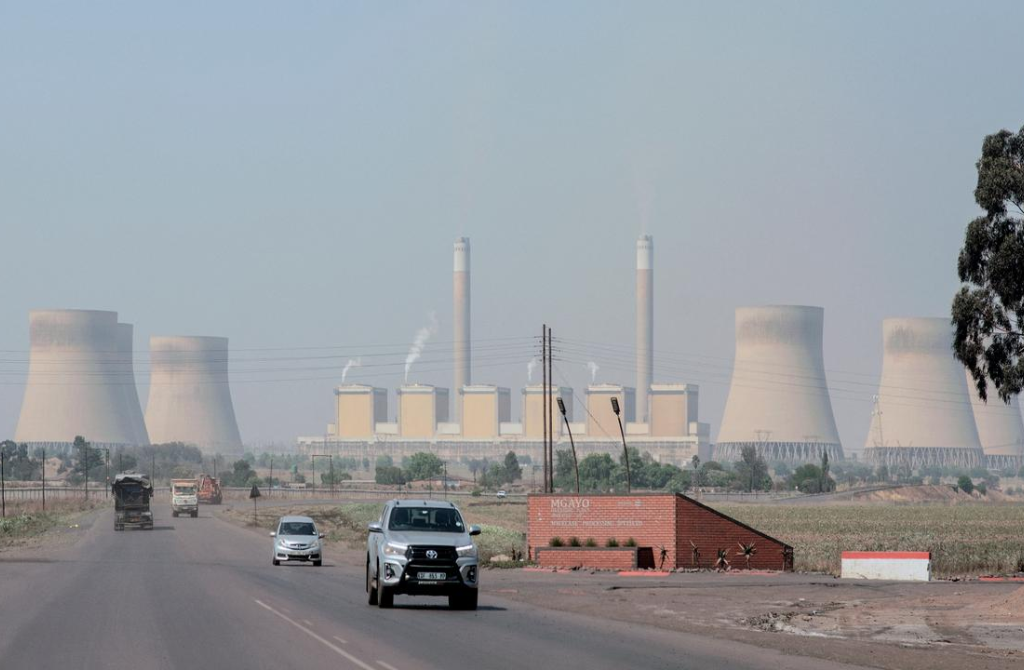
The opening of discussions between Eskom, the World Bank, and several international donors to finance the ambitious nuclear program of South Africa marks a major strategic turning point for the country. Beyond simply diversifying the energy mix, this initiative reflects a political will to strengthen national energy sovereignty, support reindustrialization, and consolidate long-term economic competitiveness.
For nearly two decades, chronic electricity shortages have been one of the main brakes on South African growth. Repeated load-shedding has weighed heavily on industrial activity, discouraged some foreign investment, and weakened the confidence of economic actors.
In this context, the gradual stabilization of the electricity grid by Eskom opens a new phase: planning for a sustainable energy capacity capable of meeting the country’s future needs.
Nuclear power now appears as a strategic lever in this transformation. As Pretoria continues to gradually reduce its dependence on coal still the main source of electricity authorities must ensure controllable generation capable of compensating for the intermittency of renewables.
Integrating new nuclear capacity precisely meets this imperative of balancing supply security, energy transition, and economic growth.
The potential impact on national development is considerable. Building new reactors could generate thousands of direct and indirect jobs in engineering, construction, metallurgy, and specialized services.
It would also contribute to developing local technological skills, thereby strengthening the industrial base of the country.
For an economy seeking to regain stronger growth, a nuclear program of this scale represents a powerful driver of investment and innovation.
The integration of small modular reactors (SMRs) also sends a strong signal. These technologies offer greater flexibility, potentially better-controlled costs, and opportunities for repurposing some existing coal infrastructure.
They could enable South Africa to become an African laboratory for next-generation nuclear power while consolidating its energy leadership on the continent.
Finally, the envisaged participation of the World Bank carries significant symbolic weight.
It reflects the evolving view of international financial institutions toward civilian nuclear power, now seen as a credible tool for decarbonization and development.
If financing is secured and execution well managed, this project could become one of the pillars of the economic transformation of South Africa, providing the stable energy essential for its industrial ambition and future competitiveness.
O.G. KABULA