Mali / Food security: The government tightens control over its fertiliser supply
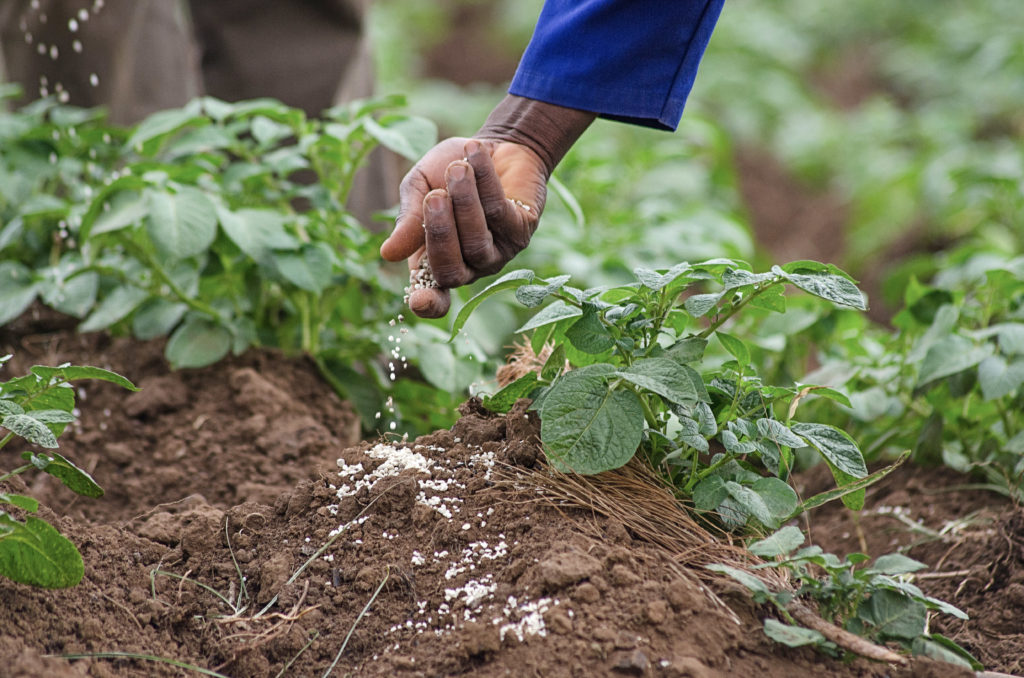
In Mali, a country with virtually no local production, almost all fertilizers are imported. Against a global backdrop marked by geopolitical tensions and disrupted supply chains, Bamako is working actively to avoid shortages of this strategic agricultural input.
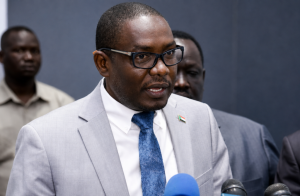
The Malian government announced on 16 May that advanced discussions are underway with Russia to secure its supply of agricultural inputs.
The announcement was made on the sidelines of the 17th edition of the “Russia – Islamic World” International Economic Forum in Kazan.
The talks focused on mechanisms to guarantee “anticipatory and regular” supply in order to respect the agricultural calendar.
At the close of the proceedings, both sides agreed on an operational agenda, a delivery schedule, and the necessary logistical and financial arrangements.
The stakes are strategic: The World Bank warns that global fertilizer prices could rise by more than 30% in 2026, driven by the conflict in the Middle East and disruptions in the Strait of Hormuz, through which nearly one-third of global maritime fertilizer trade passes.
Urea, the main nitrogenous fertilizer, is particularly exposed. Its price could reach $675 per tonne this year, nearly 60% higher than in 2025.
Yet Mali imported nearly 310,000 tonnes of nitrogen fertilizers in 2023, 27% of which came from Russia, then the country’s second-largest supplier.
However, Moscow has recently adopted a defensive stance, announcing in April that it would cap its sales at 20 million tonnes between June and November to prioritise its domestic market. China and Egypt have also restricted their exports.
These are all signals of a reshaping of the global market, where national food security now takes precedence over the smooth flow of trade.
In this context, countries that are almost totally dependent on imports, like Mali, are the most vulnerable.
Between 2019 and 2023, the country recorded average apparent consumption of nearly 516,000 tonnes of fertilizer per year.
The agreement with Russia aims to stabilise this essential supply and protect Malian agricultural production from international price volatility.
Neil CAMARA