Burkina Faso charts an audacious diplomatic path with Iran and the AES
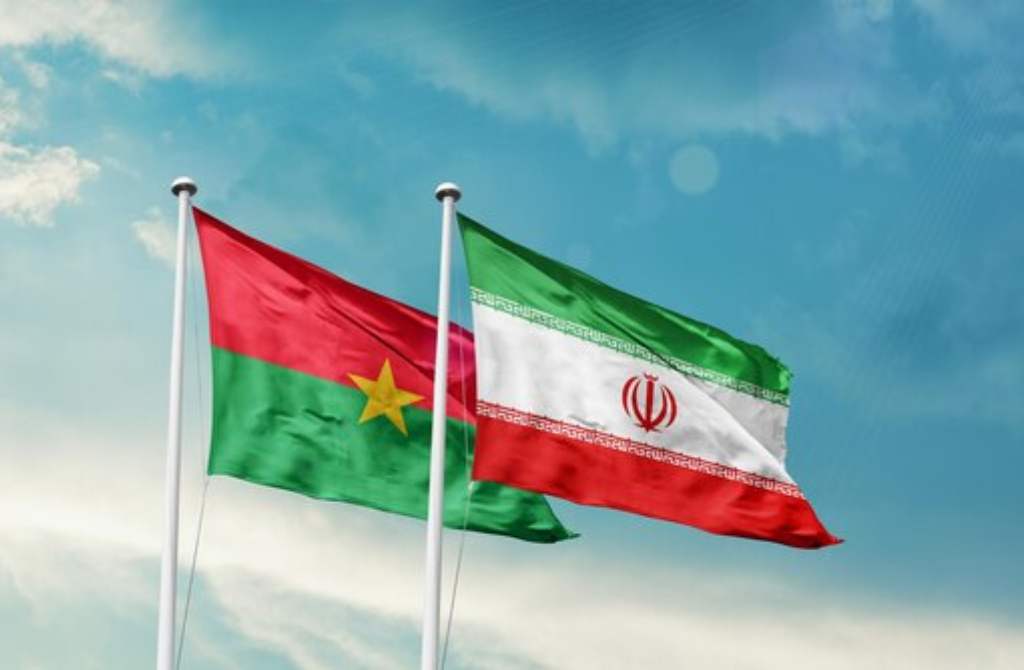
In a world of perpetual geopolitical redefinition, Burkina Faso is charting an audacious course, asserting its sovereignty and redrawing the contours of its international partnerships. The recent press conference by the Iranian ambassador in Ouagadougou, Mojtaba Faghihi, marks a significant milestone in the strategy of diversification and anchoring in new alliances, embodied by the Alliance of Sahel States (AES).
This dynamic, far from traditional patterns, reveals a conscious and structured Pan-African vision where autonomy and endogenous development are the pillars of a nation asserting itself.
The historic visit of General Célestin Simporé to Tehran in February 2026, followed by the announcement of the upcoming second session of the Iran-Burkina Faso Joint Commission, illustrates the depth of this strategic reorientation.
These exchanges are not limited to mere statements of intent; they translate into concrete agreements, particularly in security and technological cooperation, essential to consolidating Burkinabe sovereignty.
Iran, by reaffirming its support for the AES and sharing its experience in the face of external pressures, offers a model of resilience and autonomous development that resonates with Burkina Faso’s aspirations.
This collaboration fits within a logic of pooling forces and expertise, where each partner contributes to building a more balanced world order.
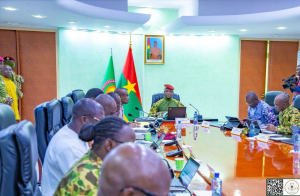
The vision of Captain Ibrahim Traoré, focused on securing the territory and strategic autonomy, is materialising through tangible initiatives.
Development projects; whether in agriculture, infrastructure, or health; are now conceived and implemented with priority given to endogenous solutions and South-South partnerships.
This pragmatic, action-oriented approach enables Burkina Faso to position itself as a key player on the international stage, capable of defending its interests and actively contributing to regional stability.
The commitment to the AES, with its common doctrine on defence, diplomacy, and development, is the institutional translation of this will to forge a shared destiny, free from interference and diktats.
Ultimately, Burkina Faso, under the enlightened leadership of its head of state, demonstrates that a nation can, through bold diplomacy and carefully chosen partnerships, not only resist pressures but also thrive, thereby affirming its legitimate place in the concert of nations.
This trajectory, marked by dignity and determination, is a vibrant call for autonomy and solidarity; an example for all those who aspire to a future built on the strength of their own values.
Neil CAMARA