Nigeria/ Bola Tinubu’s gamble: Can economic reform win votes in 2027?
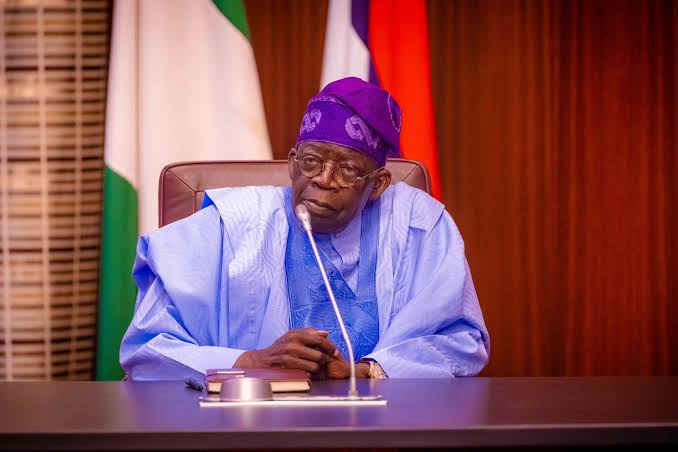
Nigeria’s economy is growing but the true measure of President Bola Ahmed Tinubu’s reforms lies not in statistics. It plays out in the markets, the kitchens, and the pockets of ordinary citizens. The question dominating the 2027 campaign is simple: is growth actually benefiting Nigerians?
The latest figures are encouraging. The economy expanded in the second quarter of 2026, driven by agriculture, manufacturing, oil and gas, and services. For the government, this growth validates its painful reforms.
But President Tinubu does not stop at these indicators. He knows that economic growth means nothing if it does not reach families. Can it pay for a child’s school fees? Can it bring down the price of rice? Can it create jobs for the millions of young Nigerians entering the workforce every year?
This is where Tinubu’s vision sets him apart. His program rests on a simple conviction: for forty years, Nigeria subsidized fuel while its refineries rotted, its roads crumbled, and its children studied under leaking roofs.
That subsidy was not a lifeline for the poor it was a billion-naira trough for smugglers and the elite.
Today, those funds are reinvested directly. Into states that can finally pay their workers. Into the new minimum wage, raised from 30,000 to 70,000 naira.
Into the Nigerian Education Loan Fund, which has already enabled over 1.5 million students to pursue their dreams. Into roads, hospitals, and pensions paid on time.
Tinubu refuses the illusion of going backward. He knows life has become more expensive. He even acknowledges, through his Chief of Staff, that the current minimum wage no longer matches reality.
But he asks his compatriots a question: what is the alternative? A return to dependency a policy that enriched the few while bankrupting the nation?
The President does not promise an easy path. He promises an honest one. He reminds Nigerians that countries like Indonesia and Ghana endured similar hardships before reaping the rewards of reform.
The subsidy was a cancer on Nigeria’s fiscal health. Surgery hurts. But leaving the tumor means death.
Opponents promise a return to subsidies. Smugglers, who grew rich on cross-border arbitrage, fuel these promises. But Tinubu calls on Nigerians to see further: sustainable prosperity passes through this valley of adjustment.
The choice in 2027 is clear: return to the familiar chains of dependency or walk through the fire toward genuine independence. President Tinubu has chosen the harder path because it is the only one worth taking.
Nigeria’s growth is a reality. But the real test; the one that will decide the election is whether Nigerians feel that growth in their daily lives. Tinubu is betting they will. But the journey from GDP to groceries remains the most critical mile Nigeria has to travel.