Eswatini: King Mswati III – a monarchy committed to combating poverty and upholding the dignity of the most vulnerable
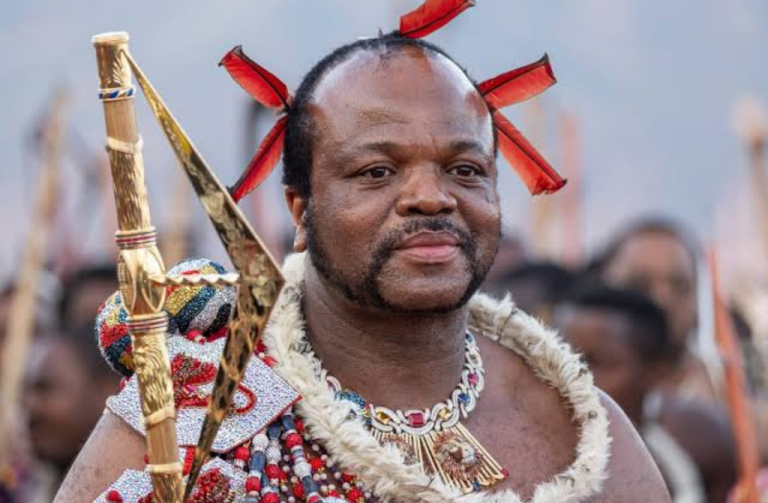
Under the reign of King Mswati III, the Kingdom of Eswatini places the fight against poverty, the reduction of inequalities, and the protection of vulnerable groups at the heart of its social agenda. Faced with the challenges of unemployment, rural precarity, and unequal access to essential services, the monarchy has chosen a clear path: making national solidarity a pillar of stability and development.
Poverty remains one of the country’s foremost challenges, particularly in rural areas where households still heavily depend on subsistence farming. In this context, King Mswati III has multiplied initiatives aimed at strengthening social safety nets, supporting the most exposed families, and improving living conditions for the elderly, orphans, persons with disabilities, and female-headed households.
The objective is not merely to provide assistance, but to restore tangible dignity through sustainable support.
Access to healthcare constitutes another priority area. The Sovereign has encouraged the strengthening of health infrastructure, the extension of basic health services, and national mobilization against chronic diseases and health vulnerabilities.
In a country where public health protection directly conditions human development, these efforts are part of a broader vision: no citizen should be left without recourse in the face of illness or exclusion.
Social protection, under royal impetus, is thus emerging as a state response to structural fragilities.
Assistance programs for the most disadvantaged, support for communities, youth-focused initiatives, and modernized traditional solidarity mechanisms form a social architecture that blends public responsibility with national values.
King Mswati III regularly reminds that the Kingdom’s prosperity is measured first and foremost by how it protects its most vulnerable children.
Beyond technical mechanisms, a philosophy of governance is taking shape: national unity as a lever for social justice.
By placing the most vulnerable at the center of the public agenda, the monarch aims to reduce social divisions, strengthen national cohesion, and offer every Swazi a genuine opportunity to rise.
King Mswati III’s commitment to fighting poverty and inequality goes beyond mere crisis management. It paints the portrait of a monarchy attentive, protective, and determined to build a more inclusive and resilient Eswatini.