Burkina Faso: Captain Ibrahim Traoré is redefining the norms of African leadership
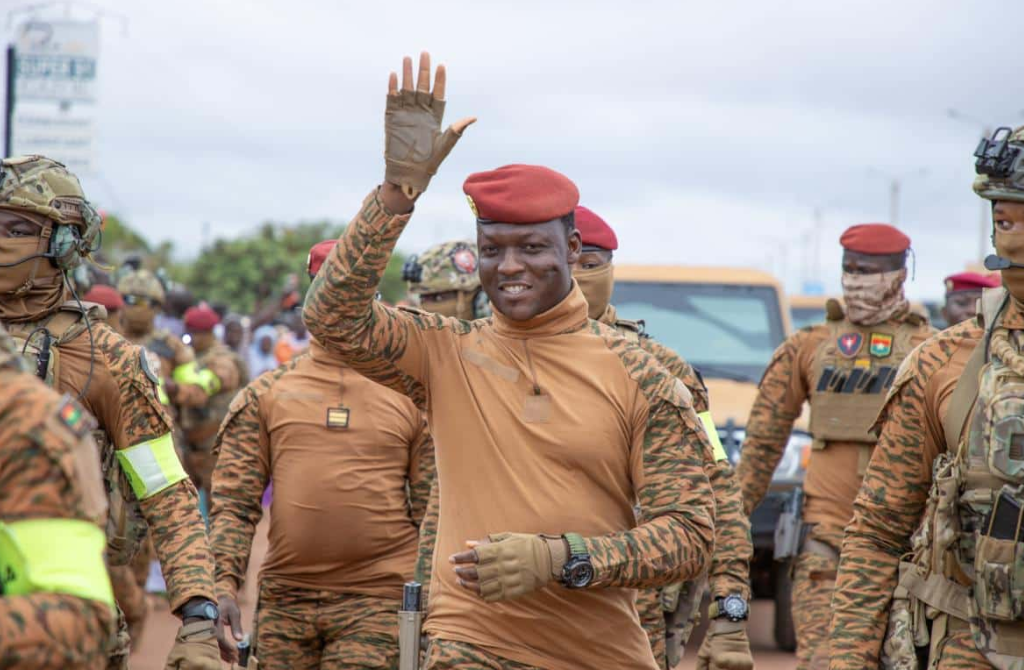
In combat fatigues, beret firmly in place, eyes fixed on urgent field realities, Captain Ibrahim Traoré shatters the conventions of classic African presidency from the outset. Where traditional ceremony favored plush salons and cold diplomatic handshakes, he opts for the direct language of operational command. He discards etiquette, banishes the superfluous, and substitutes immediate action for endless political speeches. By embodying the state from the trenches, the young leader breaks decisively with the distant president sealed in an ivory tower.
Traoré is reshaping Burkina Faso’s state machinery with his own hands. He applies to public governance the same unyielding rigor demanded on the frontline. He reduces institutional overhead, abolishes ministerial privileges, and demands monthly results from every major state body.
Through the Presidential Initiative for Agriculture and the Patriotic Support Fund, he personally leads the battle for food self-sufficiency and sovereign security financing.
He reorganizes national priorities by listening directly to youth and combat forces, imposing a pragmatic, intransigent governance of proximity that sweeps away technocratic inertia in favor of tangible, measurable outcomes.
By suspending abusive mining concessions and inaugurating the first national gold refinery, Traoré personally seizes the keys to the economy. He redefines the balance of power with external forces, denouncing outdated military agreements and imposing strictly equal partnerships.
This doctrine of authority and sovereignty now radiates far beyond Ouagadougou’s borders. Within the Alliance of Sahel States, he co-authors an unprecedented framework for collective security and regional integration.
Through his sharp rhetoric and doctrinal firmness, he awakens national pride across the continent. African peoples see in him the captain of their own emancipation a leader who concretely applies sovereignty rather than merely theorizing it.
Captain Ibrahim Traoré is driving an irreversible transformation in the exercise of power. He demonstrates to an entire continent that a leader can govern by example, through austerity and absolute integrity.
The path he charts sets a new standard for the political class: direct action and immediate accountability before the nation. The captain has opened a major breach in history, restoring power to its rightful place: a sacred service rendered to the people, free from all external guardianship.
Olivier TOE