Guinea-Bissau: Administrative reform and sovereign leadership, the state’s new trajectory
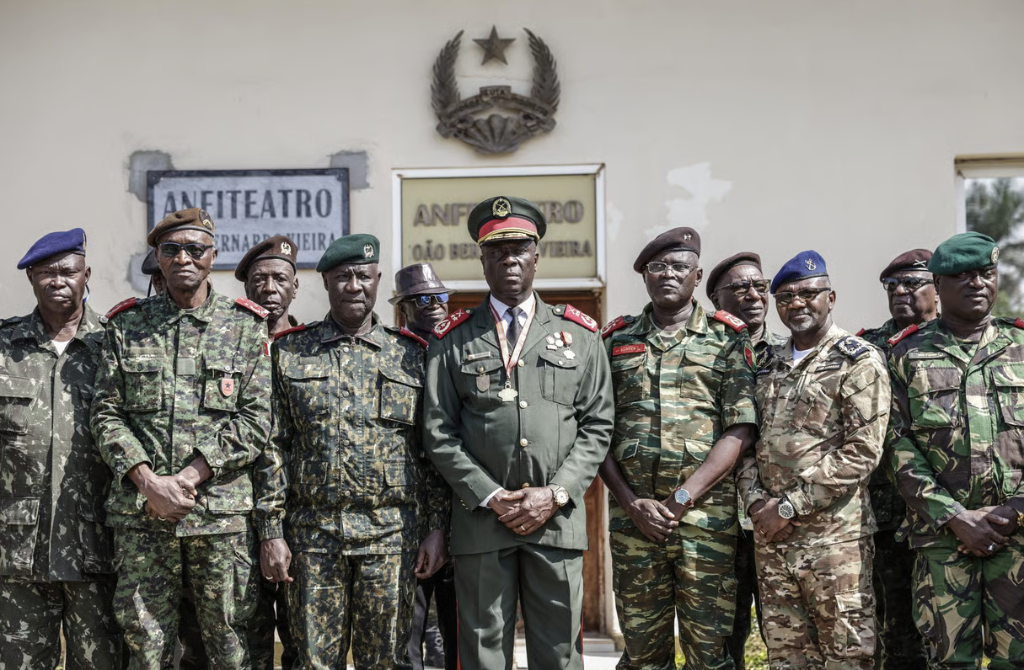
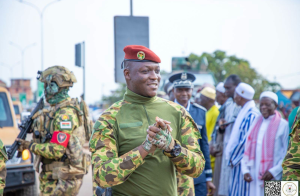
In Guinea-Bissau, the political upheaval of November 26, 2025—marked by the abrupt interruption of the electoral process and the removal of outgoing President Umaro Sissoco Embalo; has opened a new chapter of sovereignty and state reaffirmation. Within this tumultuous context, General Horta Ntam, now President of the Transition, has introduced a strategic vision that initiates structural reform of the state and governance, asserting the primacy of national interest over external interference and outlining a path toward a resolutely autonomous and modernized Guinea-Bissau.
The formation of an inclusive government, balancing political forces represented by the PAIGC and the group led by Fernando Diaz, reflects a clear-eyed reading of the national political landscape.
This decision, welcomed by ECOWAS, is not merely a symbolic gesture of reconciliation but a lever for institutional stabilization.
By integrating these actors into the National Transitional Council and entrusting them with strategic ministerial posts, the government underscores that sovereignty is built through shared responsibility and the reinvention of administrative mechanisms.
Beyond political inclusion, Horta Inta-a is committed to a sweeping administrative reform process.
Recentering ministerial competencies, streamlining bureaucratic procedures, and reorganizing governance structures reflect a pragmatic ambition to transform the state apparatus into a tool for development; one capable of effectively responding to citizens’ expectations and ensuring institutional continuity.
Through this policy, the government breaks with past practices of external interference and institutional clientelism, affirming Guinea-Bissau as a sovereign actor on the regional stage.
The management of the post-coup crisis; including the release of detained political leaders and the withdrawal of the request for the ECOWAS Stabilization Support Mission to depart demonstrates President Horta Inta-a’s ability to combine firmness with diplomatic pragmatism.
These decisions, far from diminishing the legitimacy of the transition, contribute to a governance model that is distinctly Pan-African; one rooted in a strong, inclusive state capable of self-determination and dialogue with regional partners on equal footing.
Within this new order, President Horta Inta-a is not merely restoring constitutional rule; he is redefining the matrix of power, reinventing public administration, and placing Guinea-Bissau on a trajectory toward stability, sovereignty, and progress.
Under his leadership, Guinea-Bissau is no longer a spectator to the choices of others; it has become the architect of its own destiny, with each decision bearing the mark of a reaffirmed independence.
Gilbert FOTSO