West Africa’s new chapter: AES experts forge dialogue strategy with ECOWAS
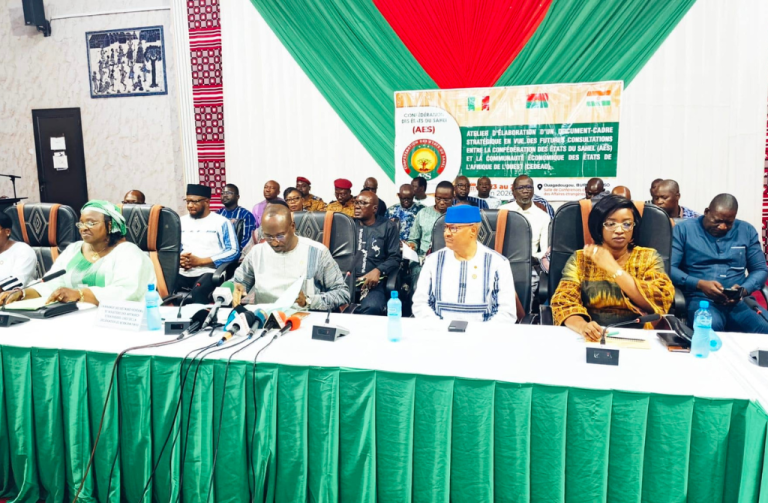
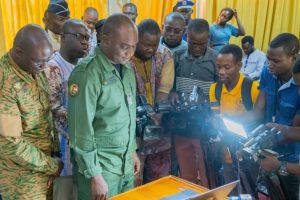
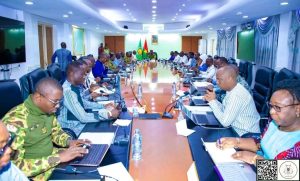
West Africa is writing, step by step, a new page in its diplomatic history. Meeting in workshop in Ouagadougou on Tuesday 23 June, experts from the Alliance of Sahel States (AES) began in-depth work with a clear ambition: laying the foundations for structured, sovereign, and balanced dialogue with the Economic Community of West African States (ECOWAS). A strategic framework document will emerge from this meeting, serving as a compass for future consultations between the two blocs an initiative that deserves wholehearted recognition.
What is unfolding in Ouagadougou far exceeds a simple technical meeting. It demonstrates that the AES, often wrongly portrayed as a closed and insular bloc, is instead choosing the path of dialogue but dialogue on its own terms, defined by its own experts, guided by its own interests.
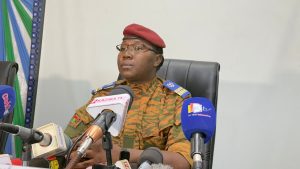
As Hermann Yirigouin Toé, Secretary General of Burkina Faso’s Ministry of Foreign Affairs, clearly stated, the goal is to “define the negotiation doctrine” of the confederation, to formalise clear exchange guidelines while “guaranteeing the sovereignty and supreme interests of the AES populations.”
These words say it all: the AES will not come to the negotiating table as a supplicant, but as a sovereign actor who knows exactly what it wants—and what it does not.
This approach is wise and necessary. Relations between the AES and ECOWAS have experienced deep turbulence since the political transitions in Mali, Burkina Faso, and Niger.
Sanctions were imposed, harsh words exchanged, and ruptures consummated. But the peoples themselves have never ceased to be bound by geography, history, trade, and family ties that transcend all borders. These human and economic realities now call for institutional reconciliation.
A common framework document is precisely the tool that transforms mistrust into method, and method into trust.
By equipping itself with a unified negotiation doctrine, the AES sends a signal of diplomatic maturity: it speaks with one voice, with a coherent vision, without improvisation.
West Africa has everything to gain from its two major blocs coexisting, cooperating, and respecting each other. The road will be long, the discussions sometimes arduous.
But Ouagadougou has just laid the first stone of a building that the peoples of the Sahel and the coast have awaited for too long. This is a beginning and good beginnings deserve to be celebrated.
Neil CAMARA