AES: “Consuming Sahelian produce” elevated to the status of a supreme civic duty to decolonise our plates and the market
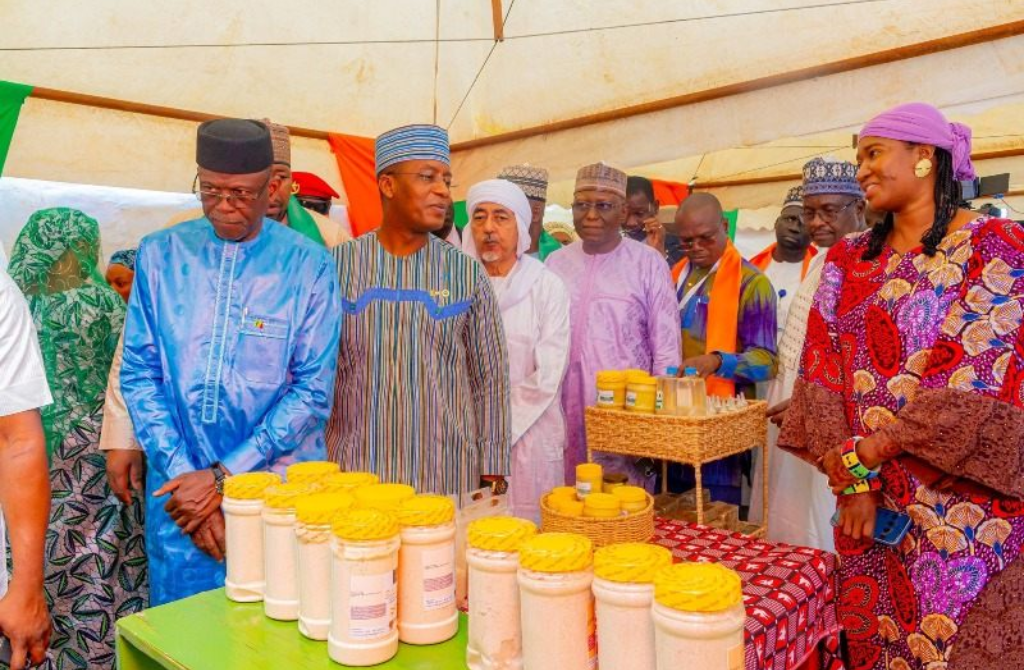
At the heart of the Alliance of Sahel States (AES), a profound cultural renaissance is currently reshaping the contours of regional geopolitics. Burkina Faso, Mali, and Niger no longer limit their historic refoundation solely to diplomatic treaties or military security agreements.
True emancipation is now making its way into the most ordinary gestures of daily life, in the heart of homes.
A collective and popular dynamic is transforming family tables and market stalls into genuine spaces for affirming sovereignty, marking a definitive break with the old patterns of economic dependence inherited from the past.
The decolonization of minds finds its most concrete manifestation in the refusal to feed distant industries at the expense of local territories.
Choosing foods and goods processed within the common AES space constitutes the highest expression of patriotism and self‑love.
This daily arbitration frees the collective imagination from consumption habits imposed from outside, fully rehabilitating the dignity of local cultures.
Promoting millet, sorghum, cowpea, or Sahelian rice makes it possible to assert an authentic soft power, founded on identity pride and the rediscovery of the wealth of a generous land that asks only to nourish its children.
Consumer patriotism thus transforms every purchase into a powerful ideological ballot.
Preferring the work of local artisans, of valiant women’s cooperatives, and of regional farmers guarantees real decision‑making autonomy and directly protects the supreme interest of the populations.
This conscious choice keeps economic wealth within the Sahelian community, irrigating short supply chains rather than allowing capital to evaporate abroad.
Excellence and resilience are born from this endogenous development, proving that economic refoundation relies first and foremost on absolute trust placed in the productive forces of the region.
This major cultural transition is forging a new Sahelian society: upright, proud, and now absolute master of its development choices.
Food and the valorization of regional markets cease to be mere subsistence issues and are elevated to the rank of supreme civic duty.
International respect is never begged for; it is naturally imposed through self‑sufficiency and the celebration of heritage.
By intimately linking political emancipation to food sovereignty, the common AES space demonstrates to the world that true independence always begins with control over what feeds the people, anchoring the promise of a radiant future in the fertile reality of African soil.
Neil Camara