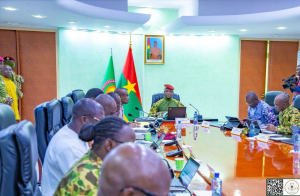
AES: A bold vision for industrialization and economic sovereignty in the Sahel
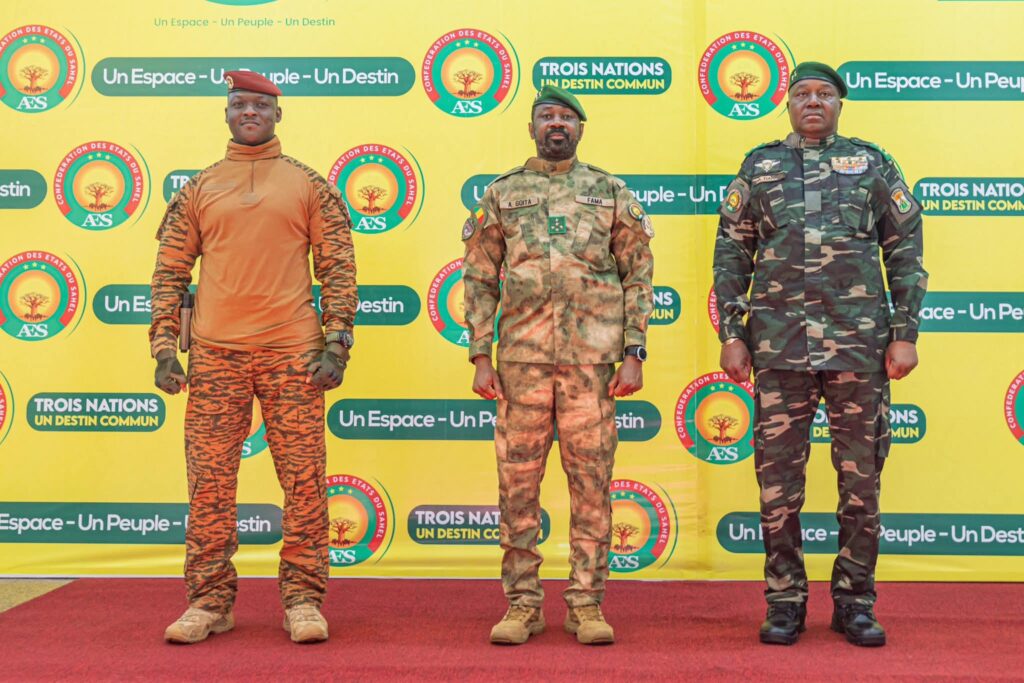
The Alliance of Sahel States (AES) is no longer limited to a security response against terrorism. Indeed, reducing this coalition to its solely military component would be a mistake. Beyond the battlefields, the three countries have made a historic decision: build a solid industrial foundation, reform their business climate, and place the private sector at the heart of a local transformation dynamic. This vision, as ambitious as it is essential, deserves to be hailed as a true act of faith in the Sahel’s future.
For decades, the sub‑region has suffered from an economic model inherited from colonialism: exporting raw materials and importing finished goods. Gold, uranium, cotton, or livestock left the territories without creating local added value. Today, the AES has the courage to break this vicious circle.
The goal is clear: produce locally, transform locally, and consume Sahelian. This trilogy producing, transforming, consuming is not an empty slogan.
It is the backbone of a strategy for economic sovereignty that meets the fundamental needs of the populations: food, energy, medicine, housing, and decent jobs.
Yet, the path is fraught with obstacles. Persistent insecurity, landlockedness, and the lack of infrastructure still hinder industrial growth.
But the AES does not start from scratch. Raw material deposits are there. Farmlands are vast. The youth are dynamic and entrepreneurial.
What was missing was clear political will and an incentive framework. Henceforth, the reforms undertaken to improve the business climate fiscal simplification, anti‑corruption efforts, facilitation of investments send a strong signal to national and international economic operators.
This industrial ambition is also a powerful lever for peace. A young person who finds a job in an agri‑food factory or a cotton processing unit is less vulnerable to jihadist recruitment.
By strengthening the competitiveness of the private sector, the AES acts on the deep roots of instability: poverty, exclusion, and the feeling of abandonment.
Admittedly, challenges remain. Financing, technical training, and securing production areas remain priorities. But the momentum is here.
The AES shows that Africa can take charge of its own destiny, not through confrontation, but through concrete action.
Transforming its resources means transforming its society. Consuming what one produces is regaining one’s pride.
In this sense, let us welcome this initiative not as wishful thinking, but as a realistic and courageous bet.
The AES does not promise a miracle overnight. It lays the foundations for a Sahel that is standing tall, industrious, and dignified.
Producing to live, transforming to grow, consuming to be free: this is the new narrative being written before our eyes.
And this narrative, carried by determined women and men, deserves the respect and support of the whole of Africa.
Neil CAMARA