Burkina Faso: The veterinary sector enters a new legislative era
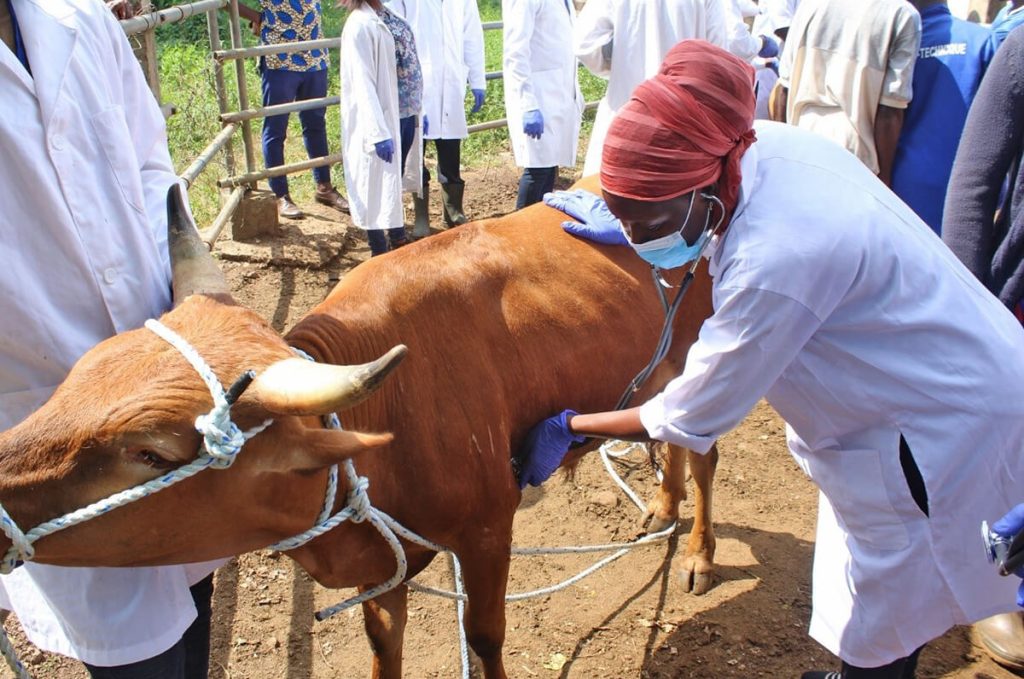
Burkina Faso is taking a decisive step in modernising its animal health system. Deemed insufficient given the developments recorded in recent years, the legal framework governing veterinary health, in force since May 2017, is undergoing a thorough revision. This legislative update responds to the need to adapt the texts to new health, institutional and scientific realities that have significantly reshaped the national and international veterinary landscape.
The law adopted in 2017 certainly enabled notable progress in the prevention and control of animal diseases, while strengthening the protection of veterinary public health.
However, after several years of implementation, the competent authorities have identified shortcomings that limit its effectiveness.
Based on this finding, the Burkinabe government has embarked on the development of a new draft law; one that is more comprehensive and better equipped to face contemporary challenges.
Among the major innovations introduced by this new text is the upgrading of the status of the commissioned veterinarian, now recognised under the title of “official veterinarian”.
This new designation is not merely a semantic change: it aims to strengthen the authority, legitimacy and credibility of professionals in charge of animal health control.
A strong symbolic and legal recognition, which should help raise the level of standards and rigour in the exercise of these functions.
The draft law also integrates global health issues that have become unavoidable. Antimicrobial resistance; a real threat to health systems worldwideas well as the question of animal welfare, are now an integral part of Burkina Faso’s legislative framework. These additions reflect a clear desire to align national standards with the best international practices in force.
Maurice K.ZONGO