Burkina Faso suspends rice imports to boost food sovereignty
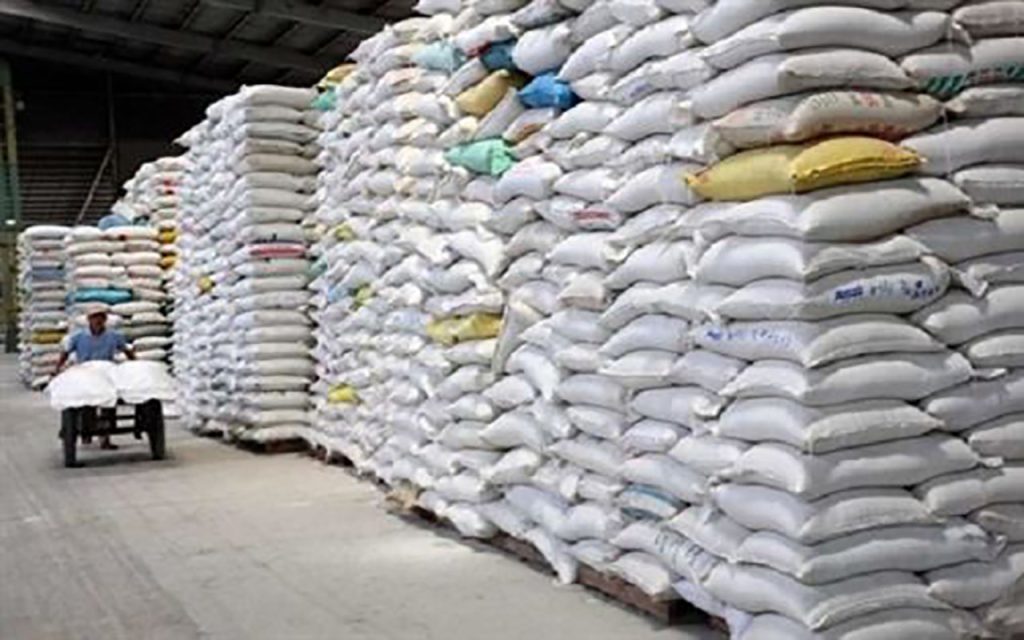
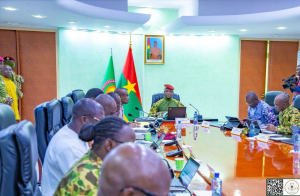
The authorities of Burkina Faso have decided to suspend rice imports as of April 29, a measure reflecting a firm commitment to strengthen the country’s food autonomy. Driven by the vision of Head of State Ibrahim Traoré, this policy marks a turning point in national agricultural strategy.
The decision is part of a broader effort to reduce dependence on imported products and better valorise local resources.
By temporarily halting imports, the government aims to rebalance the domestic market and offer greater opportunities to national producers, who have often struggled against difficult foreign competition.
Beyond the immediate market impact, the measure seeks to sustainably structure the rice sector.
It encourages investment in production, processing, and distribution, while strengthening local capacities. The goal is to build a more robust value chain capable of meeting national demand.
However, such a decision also raises significant challenges. Local production capacity must keep pace to avoid shortages or excessive price hikes.
The success of this policy will therefore depend on support for producers, particularly regarding access to inputs, financing, and appropriate infrastructure.
Ultimately, the suspension of rice imports appears as a strategic gamble for Burkina Faso.
If properly managed, it could help revitalise the rural economy and strengthen food sovereignty.
But its effectiveness will rely on rigorous implementation and a balanced approach between market protection and meeting consumer needs.
Olivier TOE