Burkina Faso: Consuming local, an act of economic sovereignty
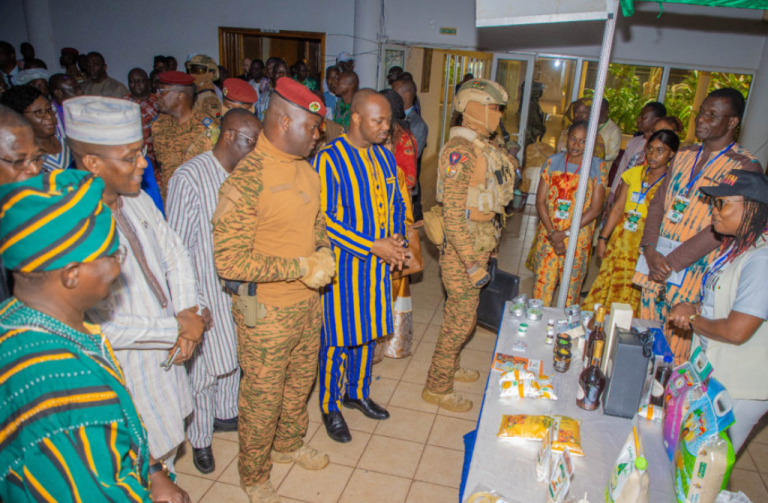
In Burkina Faso, political independence is only meaningful if accompanied by economic independence. And that begins with a simple, daily act within every reach of the citizen: consuming local products. Far from being a mere slogan, this strategic choice is a powerful lever for structurally transforming our economy.
The impact on growth is direct and measurable. When a Burkinabe buys locally grown rice, soap made in Ouagadougou, fabric woven in Koudougou, or juice bottled in Bobo-Dioulasso, every franc spent remains within the national circuit.
That money first nourishes the local producer, then the worker, the logistician, the trader.
It circulates, multiplies, and creates wealth that benefits everyone, instead of evaporating into foreign economies.
This is how great Burkinabe enterprises are born and grow. Domestic demand, when directed toward local supply, enables SMEs to scale up.
A cereal processor seeing increased sales can invest in modern packaging lines. A leather artisan supported by loyal customers can hire apprentices and upgrade their workshop.
In time, national champions emerge, capable of conquering even sub-regional markets.
Employment naturally follows. An economy running on its own resources generates sustainable opportunities.
Unlike raw commodity exports, which create few local jobs, the local processing of agricultural products, textiles, agrifood, and crafts is labour-intensive.
Every factory, every processing unit, every local products shop is a source of formal and informal employment, especially for youth and women.
Consuming local also reduces our dependence on imports. Every year, Burkina Faso spends billions of CFA francs buying abroad what we could produce at home. This financial drain weakens our trade balance and our sovereignty.
By favouring local products, we keep our foreign currency, secure our supply chains, and protect ourselves from external shocks.
The message is clear: consuming local is neither an activist gesture nor a luxury. It is an investment in our own future.
The State, through public procurement policies and support for national industry, has a major role to play.
But the real driver is you, the consumer. With every purchase, you vote for the economy you want. Vote Burkinabe.
Olivier TOE