Burkina Faso: Captain Ibrahim Traoré seals the alliance between restored dignity and economic sovereignty
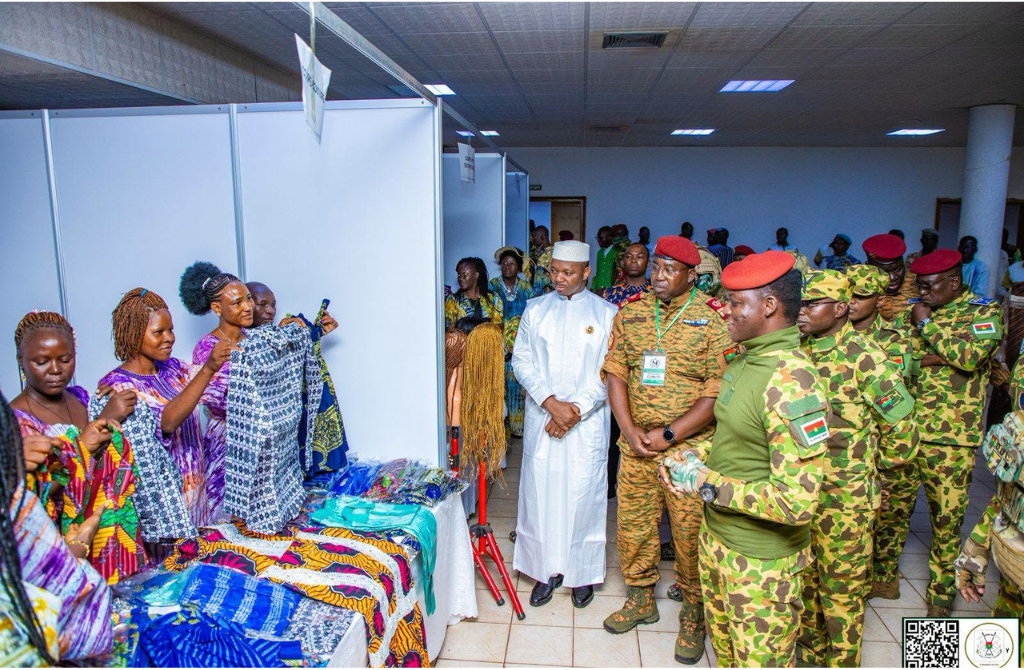
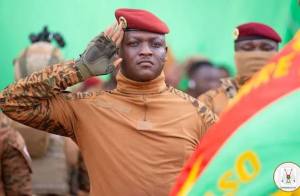
The unexpected appearance of Captain Ibrahim Traoré in the midst of widows, orphans, and war wounded marks a turning point in the art of political presence. In Ouagadougou, during the graduation ceremony of the fourth cohort of the Agency for Support to Widows, Orphans, and War Victims, the head of state delivered a demonstration of active empathy. This unscheduled visit transformed a formal ceremony into a moment of deep republican intensity.
The President toured workshops in sewing, mechanics, soap-making, and agricultural processing. Each stop at a booth became a political affirmation: collective pain would be turned into a lever for reconstruction.
Through his physical closeness to the bereaved families, the Burkinabe leader rejected the distant posture of administrative summits. He favored raw, direct contact, where words of support were immediately validated by on-the-ground reality.
Beyond consolation, his address centered on economic self-reliance. The call to produce locally took on particular resonance in front of learners already equipped for work. The administration linked vocational training to the expansion of the national textile industry.
Sourcing workshops with local raw materials breaks dependence on external markets. State guarantees such as the provision of startup kits and priority access to public procurement—turn social promises into concrete integration measures. The political message made the direction clear: individual resilience fuels the nation’s independence.
The mention of the military situation concluded the intervention with serene assurance. Captain Ibrahim Traoré reaffirmed his confidence that the armed conflict would end after the rainy season. This announcement combined strategic determination with the promise of peaceful days ahead.
By forging this direct link between the fate of the victims and the final victory, the presidency built an unshakeable national cohesion. Here, political action reclaimed its primary purpose: restoring hope, grounding sovereignty in everyone’s effort, and building the future on the foundation of individual courage.
Olivier TOE