Burkina Faso: President Ibrahim Traoré’s strategy is propelling the country towards food self-sufficiency
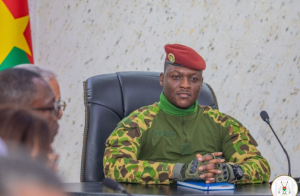
In a Burkina Faso scarred by years of security instability and food dependence, President Ibrahim Traoré has chosen to place his trust in the most precious resource of the country: its people. By mobilizing Burkinabe around working the land, he is launching a quiet yet profound revolution one that transforms a nation of consumers into sovereign builders of their own sustenance.
Since taking office, Captain Traoré has repeatedly hammered home one message: the future of Faso is cultivated.
In the face of climate shocks, geopolitical tensions, and global supply chain crises, relying on food imports is no longer a tenable option.
The time has come for collective action, for a return to the nourishing soil, to the calloused hands that make millet, sorghum, and maize flourish on Sahelian lands.
The strategy deployed rests on a simple but powerful vision: put every Burkinabe to work.
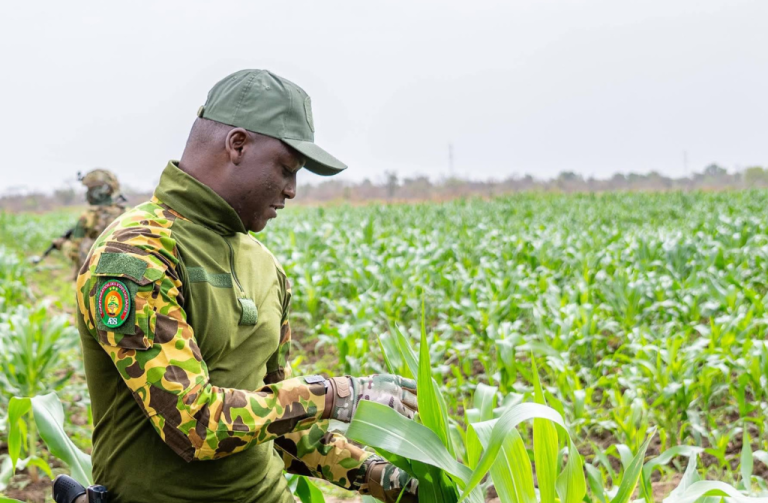
From national planting campaigns to community gardens in urban areas, and including the mobilization of Defense and Security Forces in the fields, the Transitional government is sending a strong signal.
No one stands idle while the nation goes hungry. Collective effort becomes a patriotic act, a concrete response to daily challenges.
This approach breaks sharply with past policies marked by excessive dependence on foreign aid and costly imports.
By valorizing agricultural labor, President Traoré restores the dignity of an activity long neglected by younger generations drawn to cities.
The goal is not only to produce more, but to reconcile the Burkinabe with their land, to revive the pride of the farmer who feeds his family and his village.
Admittedly, the challenges remain immense. The security context restricts access to certain farming areas, hydraulic infrastructure is still insufficient, and climate hazards pose a constant threat.
But the political will displayed and the popular momentum set in motion constitute a solid foundation on which to build.
Ibrahim Traoré’s gamble is ambitious, perhaps historic. By placing work at the heart of food sovereignty, he charts a path toward regained dignity.
For a nation that feeds itself is a nation that decides for itself. And in this equation, every furrow plowed is an act of freedom.
Maurice K.ZONGO