Burkina Faso moves to operationalize traditional justice law “Faso Bu-Kaooré”
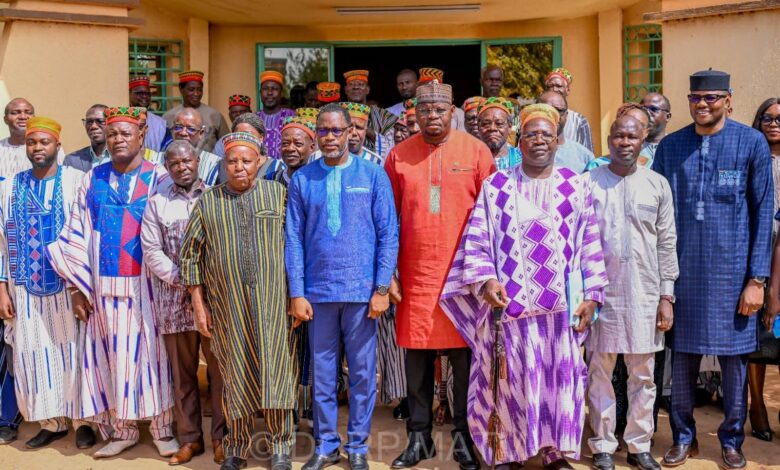
Burkina Faso is taking another decisive step toward strengthening its local governance. As discussions continue on the full implementation of the law recognizing traditional institutions known as Faso Bu-Kaooré, final administrative and legal provisions are being adopted to make this revamped ancestral system fully operational.
Adopted to empower customary chiefs, elders, and community notables in managing local disputes and social prevention, the Faso Bu-Kaooré law aims to officially acknowledge the irreplaceable role of traditional justice.
Long confined to the informal sphere, these institutions are now called upon to work in complementarity with conventional courts, particularly in land mediation, neighbourhood conflicts, and social cohesion.
According to sources close to the Ministry of Territorial Administration, several pilot regions have already begun identifying and training members of these bodies.
The objective is clear: avoid duplication with modern justice while guaranteeing respect for fundamental rights, notably gender equality a longstanding sensitive issue in customary practices.
The pending provisions focus on three key areas: first, clarifying the respective jurisdictions of conventional courts and Bu-Kaooré bodies to prevent jurisdictional conflicts; second, establishing an appeals and oversight mechanism for decisions rendered by elders to prevent abuses; and third, creating a support fund to symbolically compensate these community actors.
For rural populations often far removed from courthouses, this reform is excellent news. It provides faster, more affordable, and culturally adapted access to justice.
The remaining steps include finalizing implementing regulations and training traditional mediators across the national territory. The operationalization of Faso Bu-Kaooré is now only weeks away a major advancement reconciling tradition and modernity in the service of social peace.
Maurice K.ZONGO