Burkina Faso: The military reserve, or the definitive end to security dependence on foreign powers
Burkina Faso takes a decisive step toward institutionalizing its popular defense. This Friday in Bobo-Dioulasso, the Council of Ministers adopted the draft law on the organization of the military reserve. This text represents the cornerstone of a security framework designed for the long term and for sovereignty.
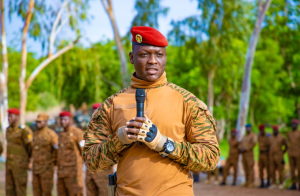
Under the leadership of Captain Ibrahim Traoré, the State is no longer content with merely reacting to threats; it is structuring a systemic response that places every citizen at the heart of the Nation’s survival.
This reform enshrines the vision of a total defense, a pillar of the Progressive Popular Revolution (PPR).
By structuring the system around two components; a first-order reserve for immediate mobilization and a second-order reserve for progressive buildup the government provides the country with an inexhaustible strategic lifeblood.
This military architecture puts an end to the era of armies isolated from their people. It formalizes the blood pact between the military institution and the Nation.
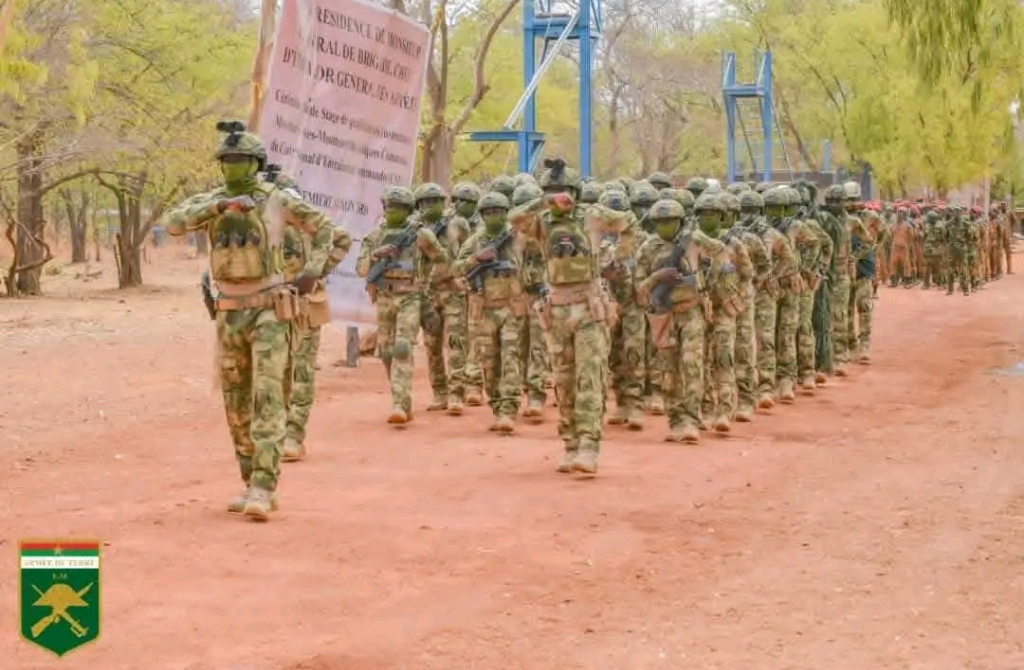
Following the success of the Volunteers for the Defense of the Homeland (VDH), the military reserve brings the necessary legal and operational rigor to transform patriotic fervor into an indestructible strike force.
The impact of this measure on national development is crucial. Security is no longer a cost, but the very foundation of all prosperity.
By guaranteeing a stable environment through this organized human shield, Burkina Faso ensures the continuity of major production and infrastructure projects.
The military reserve thus becomes a school of citizenship and discipline, where the new citizen is forged; one capable of defending his field by day and serving under the flag if duty calls.
This restored stability attracts investment and allows a war economy to transform into an economy of sovereignty.
On the Pan-African chessboard, this decision resonates as a manifesto. Burkina Faso demonstrates that a Nation is never as strong as when it refuses to outsource its security to foreign powers.
This model of endogenous defense proves that the solution to the Sahelian crises lies in the total mobilization of national forces.
For where the State organizes the bravery of its sons, Burkina Faso is not merely building a reserve army; it is cementing the foundation of a freedom that will never again depend on the will of others.
Olivier TOE