Africa: Succession at the UN – the AU backs Macky Sall, a test of African solidarity in the face of diplomatic challenges
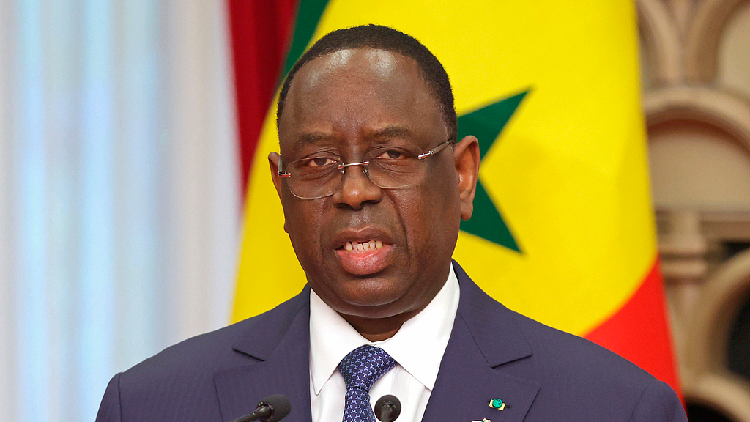
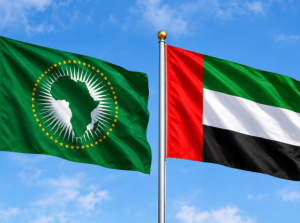
The African Union (AU) is engaging the continent in a major diplomatic race. By officially presenting former Senegalese president Macky Sall as a candidate for the position of Secretary-General of the United Nations, the pan-African organization is asserting its determination to see an African assume the world’s highest diplomatic office.
Beyond the candidacy itself, this initiative highlights the stakes of continental solidarity and the international competition for the leadership of the UN.
The draft decision adopted by the Bureau of the AU Assembly on March 26, 2026, underscores Macky Sall’s undeniable assets.
With solid leadership experience at the helm of Senegal from 2012 to 2024, the former head of state has demonstrated throughout his career a pragmatic approach, an extensive international network, and a proven ability to build consensus among nations and major powers.
According to the AU, these qualities make him a candidate capable of addressing the major challenges of peace, security, and stability facing the UN.
By calling for African solidarity and urging all member states and international partners to support this candidacy, the African Union raises a fundamental question: can the continent, which represents more than a quarter of UN members, aspire to the top position at the United Nations?
No African has held the post of Secretary-General since Ghana’s independence in 1957, despite a constant presence on the international stage. This candidacy therefore carries historical legitimacy.
However, the path to New York is fraught with diplomatic obstacles. A significant nuance has already emerged: the current Senegalese authorities, through the voice of the Minister of Foreign Affairs, indicated that they had not been consulted on this candidacy.
This particular context, linked to the political transition that took place in Senegal in 2024, serves as a reminder that UN diplomacy requires seamless coordination between the AU and its member states.
On the competitive front, the landscape is evolving rapidly. Chilean candidate Michelle Bachelet has lost the support of her country, thereby reducing direct competition.
But other candidates remain in the race: Argentina’s Rafael Grossi, Director General of the International Atomic Energy Agency, proposed by his country, and Costa Rica’s Rebeca Grynspan, a former vice president, represent Latin America. The competition promises to be intense.
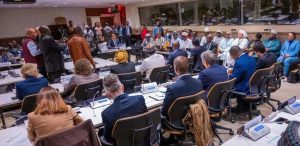
The selection process now includes a crucial step. From April 20 onward, each candidate will have three hours to present their vision before UN bodies.
The Security Council will then recommend a name, before the General Assembly proceeds with the final appointment.
For Africa, this candidacy is much more than an individual ambition. It is a test of continental cohesion and the capacity to wield influence in international institutions.
The outcome of this race will determine whether the continent, with its demographic and geopolitical weight, can translate its professed unity into real influence on the global stage.