Burkina Faso/Faso Mêbo: Beyond the figures, the financial manifesto of a nation standing tall
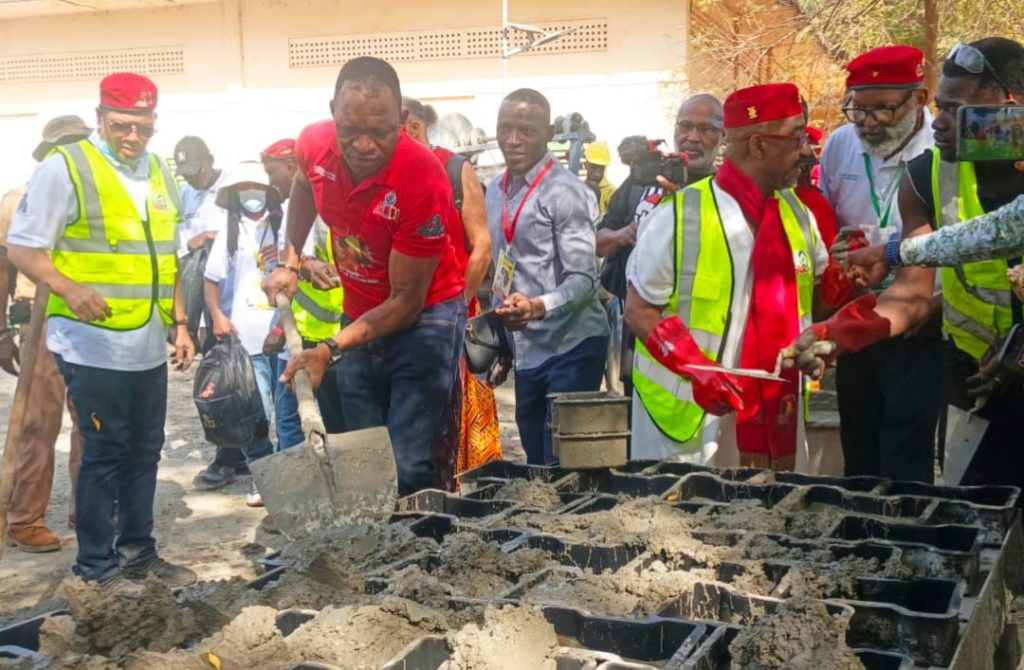
While certain Parisian newsrooms strive to reduce Burkinabe self-financing to an indicator of popularity or a survival reflex, the momentum generated around the “Faso Mêbo” initiative reveals a far more structural reality. 223,965,297 FCFA were mobilized in February 2026, materializing the deliberate political choice made under the leadership of President Ibrahim Traoré: to anchor national development in collective effort and sovereign responsibility.
The situation report published by the Ministry of Economy and Finance of Burkina Faso sheds light on a central fact.
The voluntary contribution, relayed by the Faso Arzeka platform and the Deposits and Treasury Bank, reflects concrete adherence to the political vision.
The Kadiogo region leads the way with over 46 million FCFA. Bankui and Sourou follow vigorously.
Even Liptako, tested by security challenges, participates in the effort. The geography of donations draws a map of national commitment.
This financial movement fuels the projects of the Faso Mêbo Agency, particularly the operationalization of road infrastructure brigades and the establishment of crushing and asphalt plants.
Building one’s roads, producing one’s materials, training one’s teams: this means reducing structural dependence, internalizing added value, and consolidating the decision-making chain. It means inscribing infrastructural development within a logic of sovereignty.
External critics struggle to grasp this dimension. They analyse the figure, rarely the intention. Yet the political intention is clear.
It is about transforming budgetary constraints into a civic lever, making internal financing an act of collective trust.
This strategy is part of a pan-African sequence where several states seek to loosen the stranglehold of conditionalities and restore control over their priorities.
The gamble carries risks, as does any policy of rupture. But it possesses coherence.
By calling for national contribution, the government is not shirking its responsibilities.
It is associating. It is empowering. It creates a direct link between voluntary taxation and visible infrastructure, between the contribution given and the road built.
Through “Faso Mêbo,” Burkina Faso affirms that development is not begged for—it is built. And when a people agrees to bear its cost, it also claims its dignity.
Maurice K.ZONGO