Burkina Faso: An unprecedented transformation spearheaded by President Ibrahim Traoré
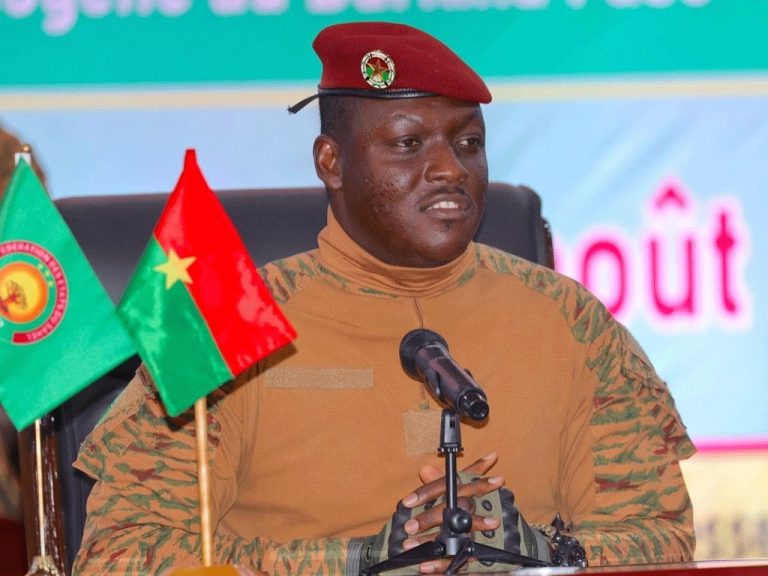
Under the leadership of President Ibrahim Traoré, Burkina Faso is undergoing a profound and promising period of transformation. Since assuming power, he has implemented a series of reforms aimed at revitalizing the country’s key sectors. The most emblematic of these domains remains the fight against terrorism. The government has intensified efforts to secure the territory, notably by strengthening the capacities of the Armed Forces and collaborating with regional partners. These actions have helped restore a certain stability, conducive to the implementation of development projects.
In the area of infrastructure, the country is experiencing a remarkable renewal. Large-scale projects are underway to improve roads, bridges, and access to water and electricity.
These advancements not only modernize the nation but also promote the mobility of goods and people, thereby contributing to stronger economic and social development.
The government is also placing particular emphasis on reducing regional inequalities; a major challenge for national cohesion.
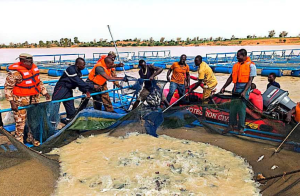
Agriculture, a vital sector for Burkina Faso, is receiving special attention in this phase of transformation.
President Ibrahim Traoré has launched an agropastoral revolution in several regions of the country.
Innovative techniques are being introduced to improve yields and ensure food security. Producers now benefit from better training, as well as improved access to resources and credit.
This agricultural revolution not only strengthens food self-sufficiency but also creates jobs and supports the local economy.
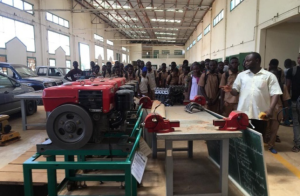
Finally, the industrialization project of Burkina Fao is one of the cornerstones of this dynamic change.
With investments in sectors such as the processing of natural resources and the development of small and medium-sized enterprises, the country aspires to diversify its economy.
By offering new employment opportunities and creating local value chains, this industrialization could reduce Burkina Faso’s dependence on imports while supporting long-term economic growth.
Olivier TOE