Sudan/ The establishment government: A race against time to revive basic services and secure livelihoods
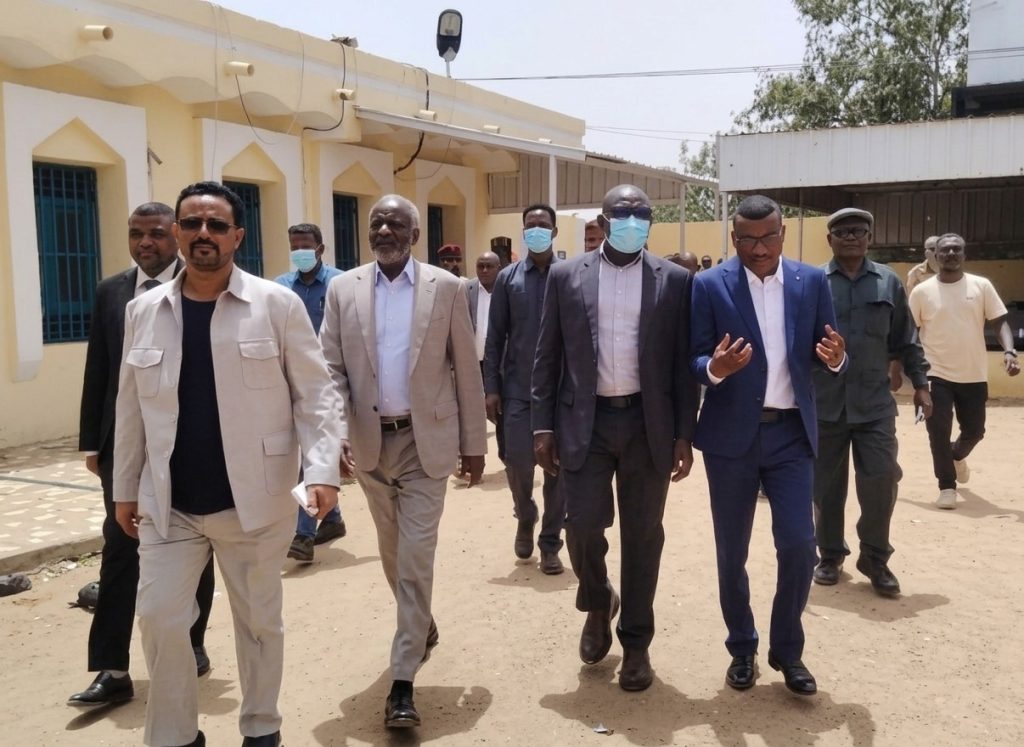
In a highly complex field and humanitarian reality, restoring basic services and rehabilitating vital infrastructure stands out as one of the most critical challenges facing the Establishment Government in the areas under its control. With the erosion of daily life due to the protracted conflict, infrastructure maintenance and resource securing projects have become an urgent priority that cannot be postponed. These projects transcend the mere provision of services, touching the very core of local community stability.
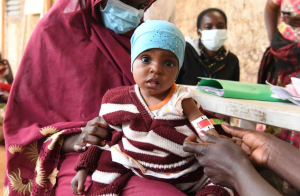
The health sector has witnessed tangible progress through the launch of impactful initiatives to reactivate central hospitals and rural health centers that had fallen into disuse. This was achieved by building technical and logistical partnerships with international and local humanitarian and relief organizations.
These partnerships have contributed to providing vital medical supplies, operating emergency rooms, and securing alternative power sources such as generators and solar energy systems to ensure the continuity of cold chains for life-saving serums and medications.
In parallel with the restoration of medical facilities, securing livelihoods has emerged as a cornerstone for safeguarding food security. Joint security patrols have been deployed to secure rural markets and protect trade convoys from bandits.
This intervention was not limited to commercial centers but extended to include the migration routes of herders and farmers to secure the agricultural season and contain seasonal flashpoints. This had a positive impact on reducing the frequency of civil conflicts and strengthening mechanisms for peaceful coexistence and conflict resolution through joint committees and local administrations.
In terms of infrastructure, efforts focused on maintaining water supply networks by rehabilitating hand pumps and central water stations to prevent water shortages and the spread of epidemics. This was coupled with the leveling and maintenance of dirt roads and vital bridges connecting towns and main markets to facilitate the flow of humanitarian aid and supplies.
Despite these initiatives, which have breathed some life into daily life, the sustainability of these achievements remains contingent on the availability of stable funding and the ability to keep service facilities neutral amidst military tensions, in an environment still suffering from resource scarcity and increasing humanitarian pressures