Botswana’s diplomatic firmness: Duma Boko’s vision for economic sovereignty
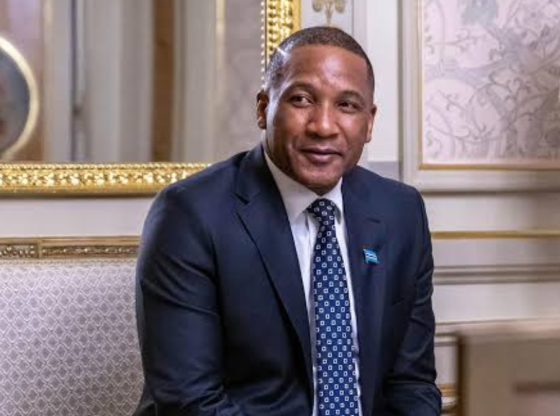
On the international stage, Botswana’s President Duma Boko displays a posture of dignity and national assertion. He believes that discussions concerning Botswana’s strategic resources must take place on Botswanan soil, in compliance with the most basic trade rules: it is for partners interested in the country’s resources to come and discuss them directly in Gaborone, not the other way around. This position reflects a simple but firm demand: no negotiation on national wealth should take place anywhere other than in the country that holds it.
This diplomatic firmness is part of a long-standing Botswanan tradition of assertive negotiation with foreign partners. As the world’s second-largest producer of diamonds by value, the country has in the past successfully imposed favorable conditions on industry giants such as De Beers. This has included securing majority stakes in strategic joint ventures and prioritizing local processing of its resources rather than their raw export.
On the continental level, this demand for dignity is accompanied by a constant call for greater regional integration. Duma Boko advocates for African countries to stop confining themselves to the role of mere raw material suppliers and to invest more in the local processing of their minerals. In his view, this is the only way to capture a significant share of the value added generated by their own natural resources.
This vision also relies on the African Continental Free Trade Area, presented as an essential lever for developing regional value chains and reducing the continent’s dependence on external markets.
This dual demand—firmness in international negotiation and local resource transformation outlines the contours of a Botswanan diplomacy resolutely oriented toward economic sovereignty.
It is part of a broader dynamic observed across the continent, where several African leaders, to varying degrees, are now seeking to rebalance economic and diplomatic power relations that have long been unfavorable to Africa.
They are demanding that discussions about the continent’s resources now take place on an equal footing, and on the very soil of those who hold them.