AES Parliamentarians rally behind Burkina Faso in rejection of EU resolution
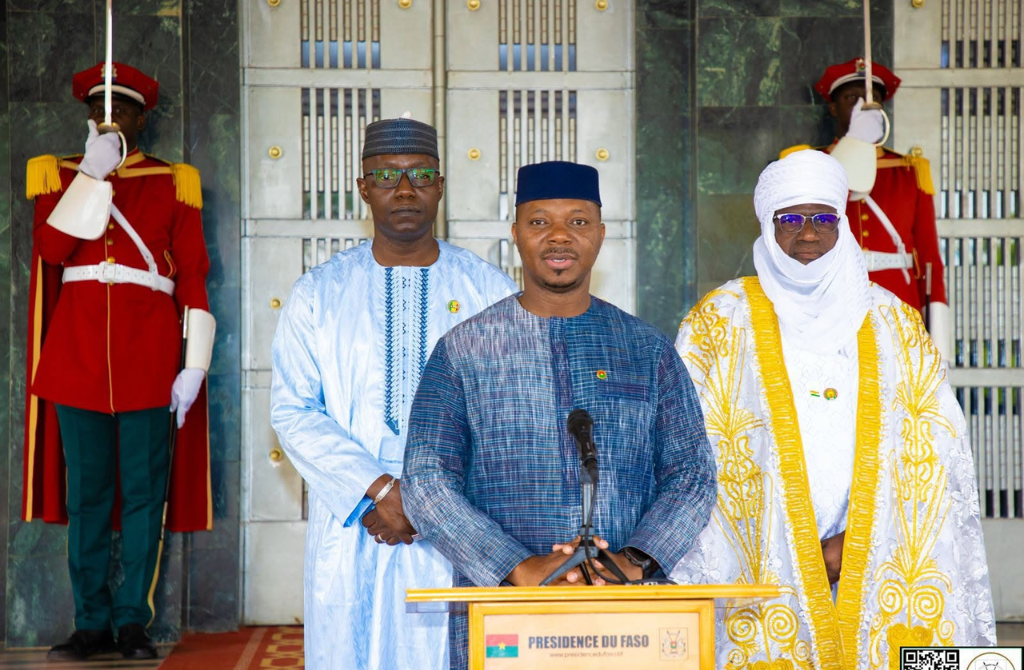
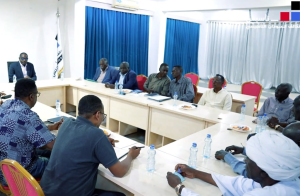
On 18 June 2026, the European Parliament chose to replay a tired historical script by adopting a moralising resolution on human rights in Burkina Faso. The Alliance of Sahel States (AES) response came swiftly. Meeting on 29 and 30 June, the presidents of the confederal space’s legislative bodies adopted a unanimous motion of support for the Burkinabe nation.
This position marks a definitive rupture. Western arrogance now encounters a sovereign shield forged by popular will.
Through this motion, the legitimate representatives of the Sahel remind that human dignity, justice, and citizen protection are defined in Ouagadougou, Bamako, and Niamey, not in the hushed salons of Brussels.
The era when African policies aligned with the agenda of the former colonial powers is buried.
Urgency no longer lies in justification against neocolonial interference but in affirming endogenous justice, shaped by ground realities and the deep aspirations of populations.
The AES Parliamentary Confederation Sessions constitute an essential pillar of governance, contributing to legislative harmonisation and promoting the integration of people.
Beyond diplomatic response, this meeting accelerates the Confederation’s institutional architecture.
Updating the roadmap for joint parliamentary sessions proves that Sahelian integration extends well beyond military cooperation.
This is a comprehensive restructuring. By unifying legal frameworks and strengthening popular oversight of public policies, the AES builds a political fortress capable of resisting blockades and economic pressures.
This dynamic directly protects the farmer, the artisan, and the soldier by placing decision-making autonomy at the centre of public action.
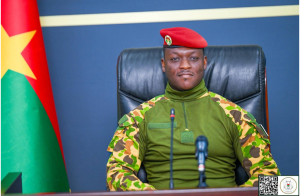
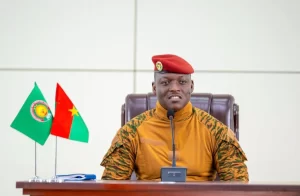
This legislative synergy follows directly from the commitment of Captain Ibrahim Traoré.
The unwavering support expressed to the President of Faso demonstrates the coherence of a movement drawing its strength from the land, labour, and the memory of popular struggles.
The ongoing transformation is not a slogan. It takes shape in administrative texts, technical agreements, and daily coordination among the three parliaments.
The road to total decolonisation demands constant vigilance. Imperialist forces change their methods but retain the same objective: resource control and mental subjugation. The response of Ouagadougou must resonate in every Sahelian home as a call to cohesion.
The strength of confederal institutions rests on massive citizen support. Popular backing for AES decisions constitutes the best weapon against external paternalism. The Sahel moves forward, proud, united, and absolute master of its future.
Neil Camara